Protect Your Dallas Roof Before Storm Damage Spreads
Summer storms in North Texas move fast and hit hard. One hour the sky looks calm, and the next you are hearing hail on the roof, wind slamming against the house, and heavy rain pounding the gutters. Those few minutes of rough weather can leave behind damage that is easy to ignore at first.
The problem is that even small damage on a roof does not stay small for long. In our heat and bright sun, a cracked shingle or loose flashing can quickly turn into a leak. That leak can lead to stains on ceilings, warped wood, and even mold inside your home or business. Catching storm damage early keeps it from spreading where you cannot see it.
Here in the Dallas, Fort Worth area, we see what summer storms do to roofs every year. As a local roofing and remodeling contractor, we understand how our weather, our local building codes, and our long stretches of heat all work together. When we talk about storm damage repair in Dallas, TX, we are not just talking about looks, and we are talking about protecting the structure under your roof.
How Dallas Summer Storms Punish Your Roof
North Texas storms hit from several angles at once. Your roof has to stand up to all of it.
A typical summer storm can bring:
- Hail that bruises or cracks shingles
- Strong wind that lifts, bends, or tears shingles and flashing
- Wind-driven rain that pushes water under roofing materials
- Sudden downpours that overwhelm gutters and valleys
Hail does not always punch holes straight through the shingles. Many times it leaves soft spots, broken edges, or crushed granules. Wind can pull shingles up just enough to break their seal. Rain blown sideways then finds its way under those loose areas.
After the storm, the weather switches back to bright sun and high temperatures. That is when the real punishment starts. The heat can:
- Dry out already weakened sealants
- Make curled or lifted shingles crack more
- Cause underlayment that was stressed by wind or hail to break down faster
One storm might not seem like a big deal. But summer in Dallas rarely brings just one. When your roof takes hit after hit, small weak spots spread. A shingle that was only slightly loose in early summer might turn into a missing patch by the end of the season. By the time late summer or early fall storms roll through, that small issue can be a steady leak.
Hidden Roof Damage You Cannot Spot From the Ground
Some storm damage is easy to see. You might notice:
- Missing shingles
- Bent or dented gutters
- Pieces of shingles in the yard
- Water stains on ceilings or walls
If you can see those signs from your driveway, it usually means there is more going on that you cannot see. The most serious problems often stay hidden without a close look.
Hidden damage can include:
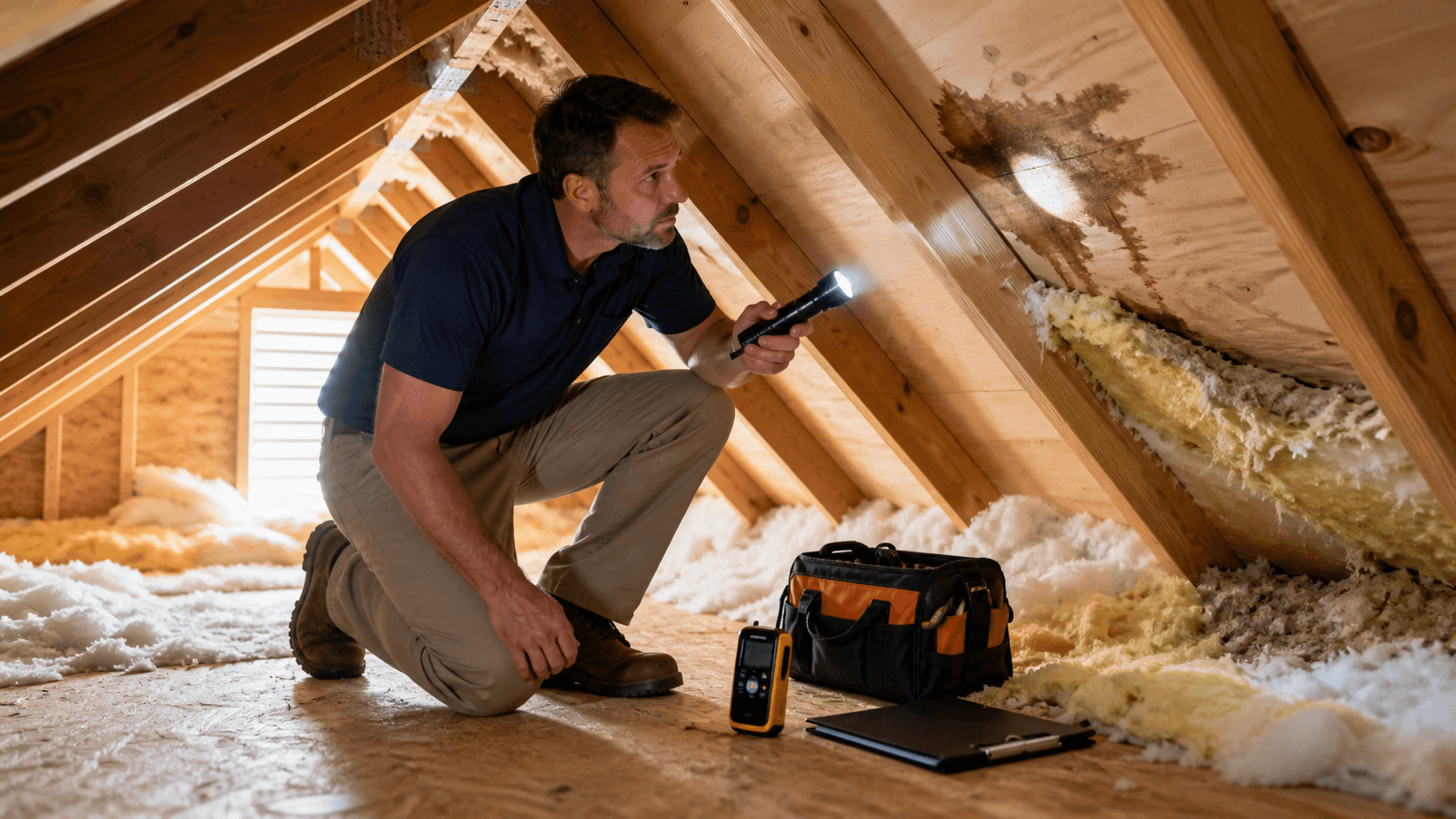
- Bruised shingles that feel soft when pressed but still look "okay" from below
- Hairline cracks that only show up when you are close to the surface
- Lifted fasteners that leave tiny gaps for water to slip in
- Punctured or torn underlayment beneath the shingles
- Granule loss that exposes the black shingle base
Those small issues may not leak right away. But they can shorten the life of your roof and even affect manufacturer warranty coverage. Roofing materials are designed to work as a system. When part of that system is weakened, the whole roof is more likely to fail during the next storm.
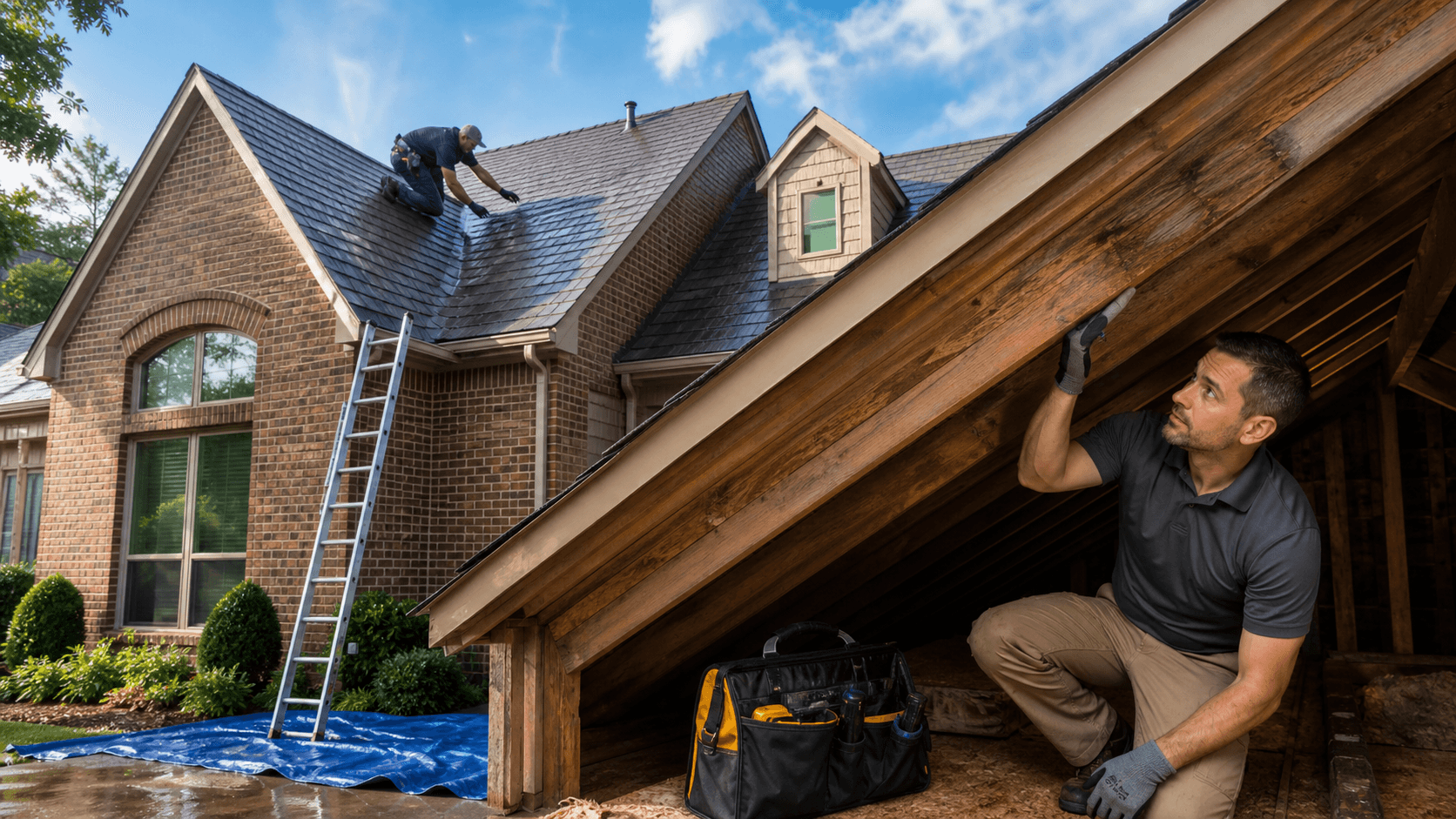
That is why a professional roof inspection after severe weather is so important. A trained eye can spot damage that blends in to someone standing in the yard. Careful documentation, usually with photos and clear notes, also makes it easier for a homeowner or property manager to talk with an insurance company if a claim is needed.
Why Fast Storm Damage Repair in Dallas, TX Saves Money
Waiting to fix storm damage often costs more than fixing it early. Water is the main reason. Once it finds a way in, it starts working downward and outward.
When repairs are delayed, water can lead to:
- Saturated attic insulation that loses its ability to keep your home comfortable
- Damaged drywall with stains, sagging, or crumbling texture
- Warped trim, doors, and flooring
- Musty smells and possible mold growth
Fast storm damage repair in Dallas, TX helps break that chain before it starts. Taking care of loose shingles, compromised flashing, and small openings keeps the roof system working correctly. That can help:
- Extend the lifespan of your existing roof
- Protect your home's energy efficiency
- Prevent repeated water intrusion during the rest of storm season
Quick, clear documentation and repair estimates can also help property owners when they work with insurance. Claims tend to go smoother when damage is recorded soon after the storm, instead of after a few more rounds of bad weather have made things worse or less clear.
Choosing a Dallas Roofing Contractor You Can Trust
Not all roofing contractors are the same, and storms often bring in people who are just chasing quick jobs. After a big hail event, it is common to see unfamiliar trucks in the neighborhood. That is when it helps to know what to look for in a trusted local roofer.
Good signs include:
- Proper licensing for work in Texas
- General liability and worker coverage
- Experience with hail and wind-related roof issues
- Clear, written estimates and scope of work
- Positive reviews from Dallas, Fort Worth property owners
Out-of-town "storm chasers" may not be around if there is a problem later. They might not know local codes or how our weather affects materials over time. A contractor with a real presence in North Texas is far more likely to stand behind their work and come back if you need help again.
Apex Point Services is rooted in this area, and we work on both residential and commercial roofs across the greater Dallas, Fort Worth region. We also handle related remodeling and outdoor living repairs, which is helpful when a storm affects more than just the shingles. From the first inspection to the final walkthrough, our focus is on clear communication, so you know what is happening at every step.
Take Control of Your Roof Before the Next Storm Hits
North Texas weather does not wait for anyone's schedule. Once we move into late spring and summer, the pattern of sun, heat, and sudden storms becomes part of daily life. That is why having a plan before the next round of severe weather hits is so important.
A simple storm-readiness plan for your roof can include:
- A professional inspection to check for any existing weak points
- Regular maintenance to clear debris and keep water flowing where it should
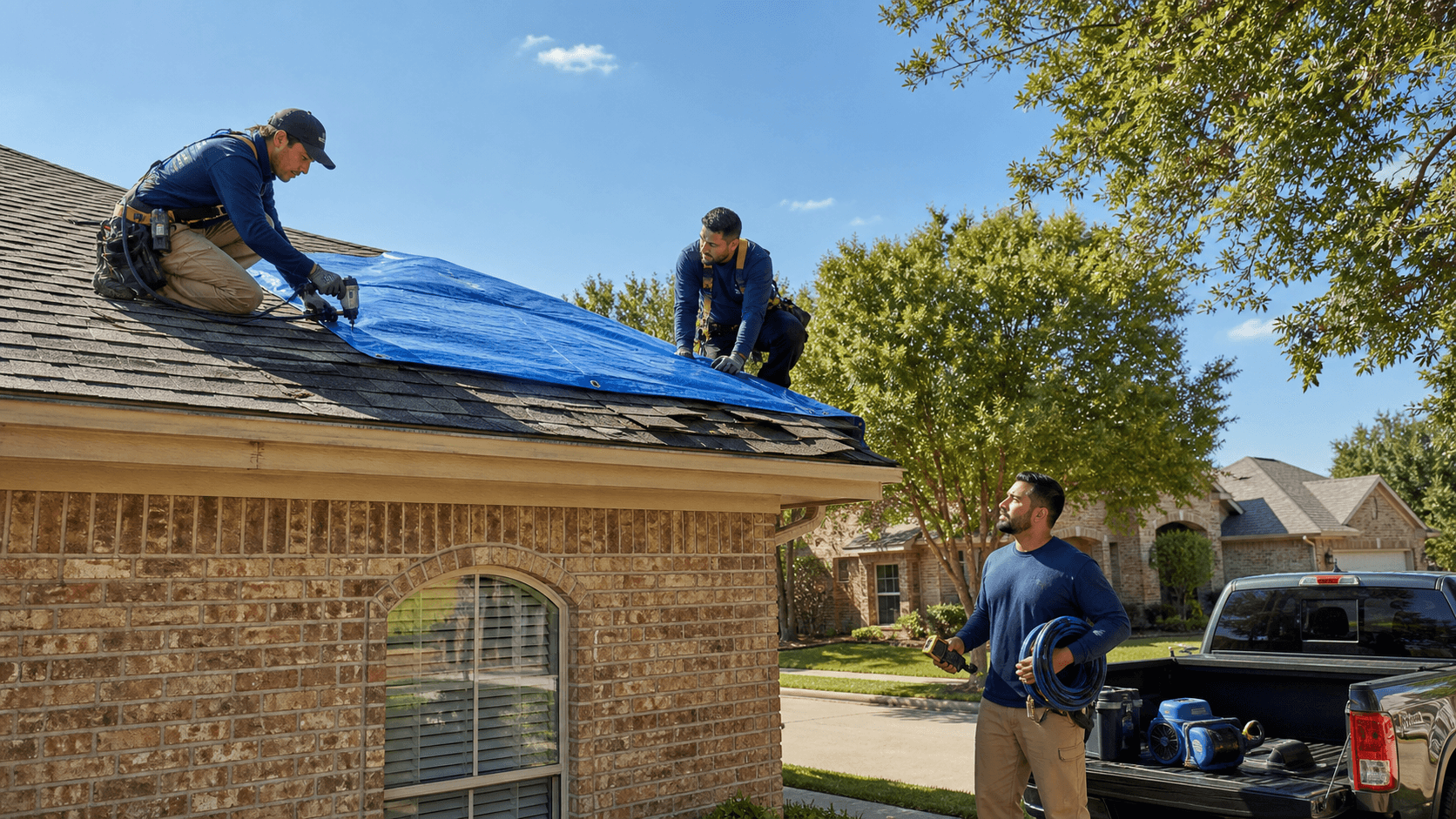
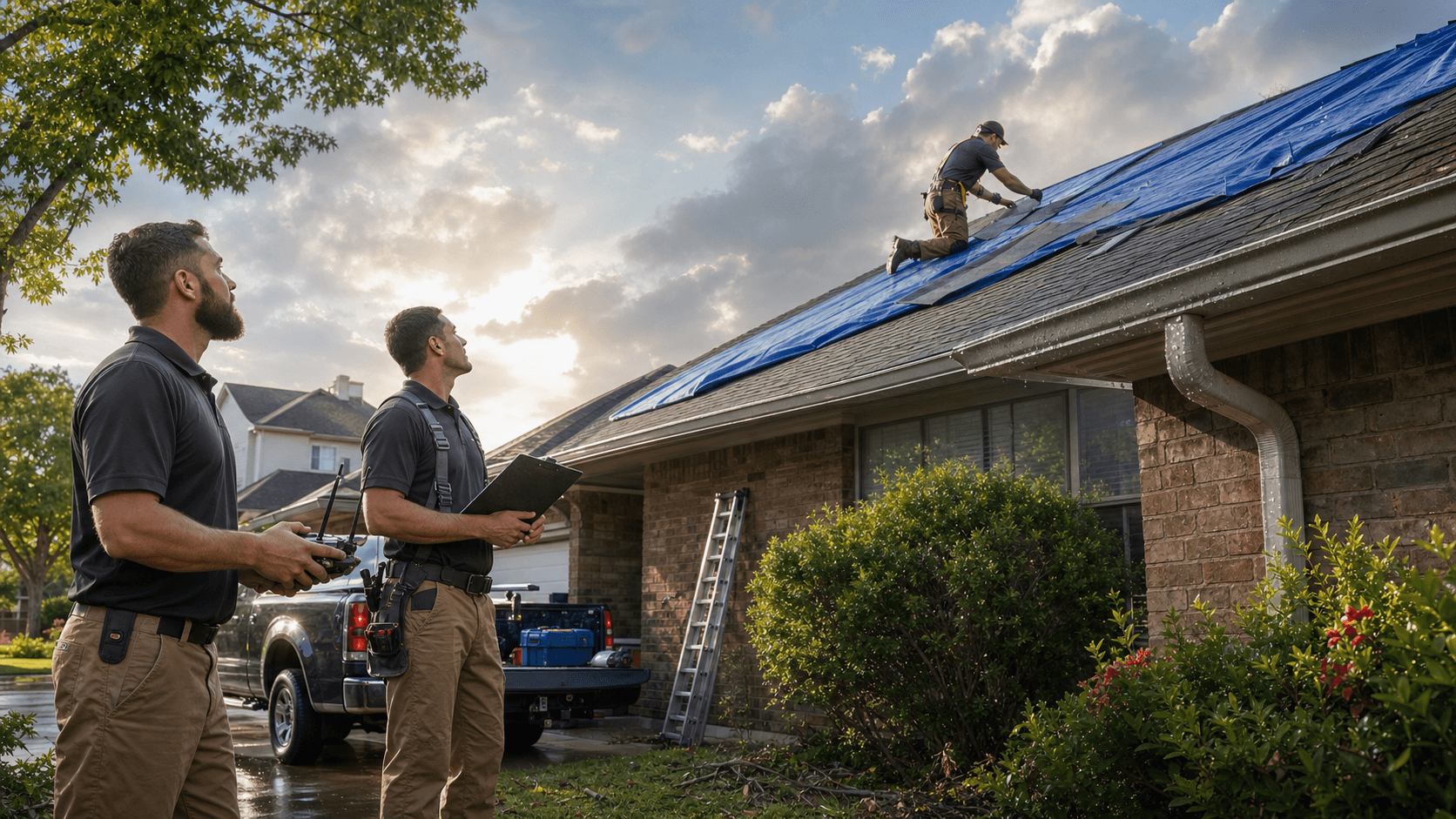
- A trusted roofing contact ready for emergency tarping or quick repairs
When you understand how storms affect your roof and what warning signs to watch for, you are in a better position to protect your home or business. Apex Point Services is here in North Texas to help with careful inspections, honest advice, and quality storm damage repair in Dallas, TX, so your roof is ready for whatever the summer sky sends your way.
Get Started With Your Project Today
If your property was recently hit by severe weather, our team at Apex Point Services is ready to help you restore it quickly and safely. For expert inspections, clear guidance, and reliable repairs, trust our specialized storm damage repair in Dallas, TX to get your home or business back to normal. Reach out now so we can assess the damage, walk you through your options, and schedule repairs that fit your timeline and budget.