What Your Attic Can Tell You About Your Roof
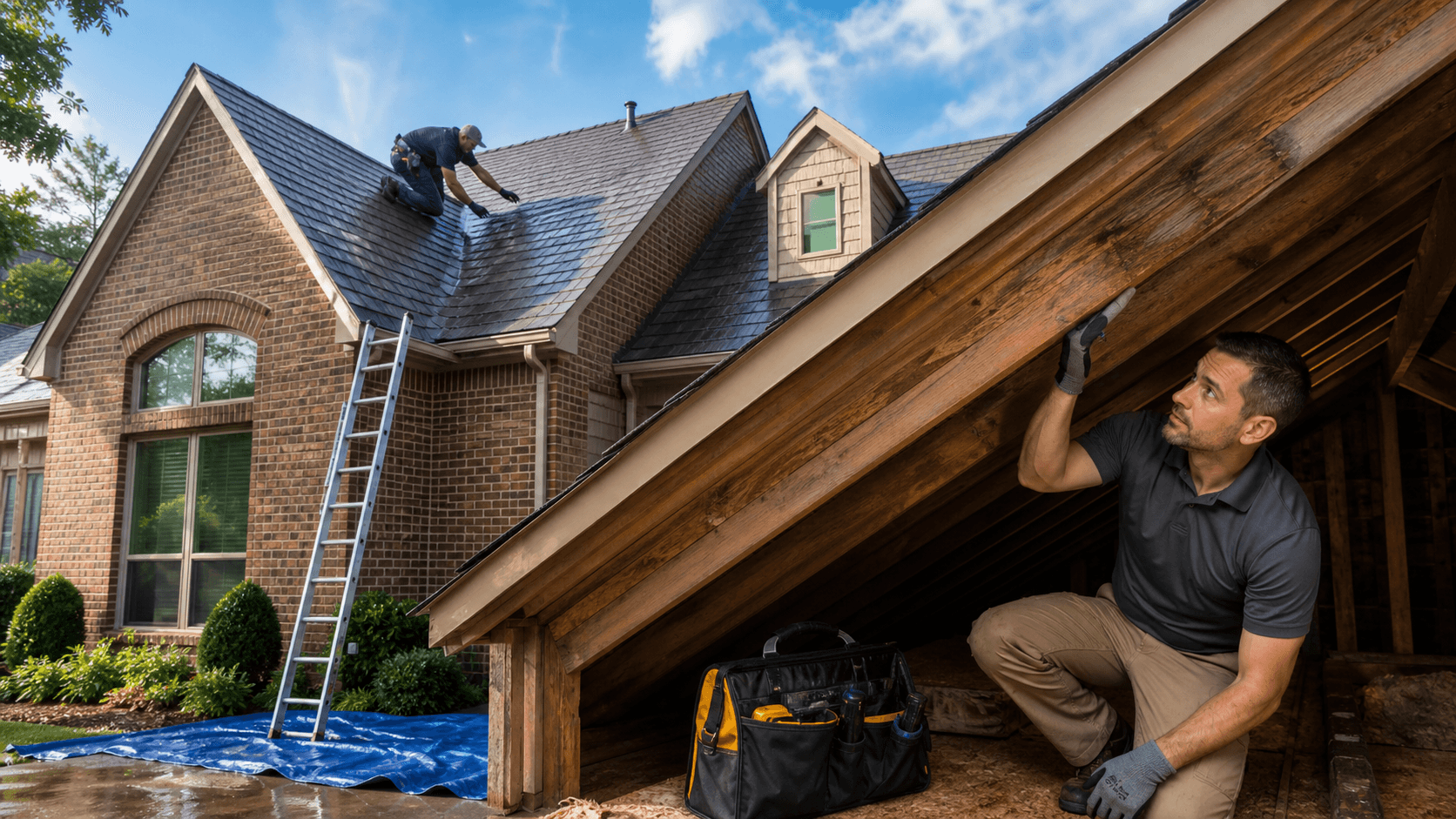
Your attic is the easiest place to spot roof trouble before it turns into a mess in your living room. You don't have to be a contractor to see the early warning signs. With a simple look from the inside, you can catch problems long before you notice stains on the ceiling or shingles in the yard.
In the Dallas‑Fort Worth and East Texas area, we get a hard mix of heat, wind, and sudden storms. Summer bakes the roof, fall brings fast-moving rain, and winter brings steady wet weather. That's why a quick attic check in October or any cooler month can be one of the smartest habits you build for your home.
We like to think of it as checking your roof from the inside out. When we inspect an attic, we move slow, stay careful, and pay attention to details. The goal is to find the real issue early, not scare you or push work you don't need. You can take that same calm approach when you peek in your own attic.
Before You Climb Up There: Safety and Smart Prep
Attics can be cramped and rough, so safety comes first. It's never worth getting hurt just to look for a leak. If it feels sketchy at any point, stop and let a pro handle it.
Pick a safe time to go up:
- Avoid the middle of a hot afternoon, when the attic can feel like an oven
- Choose a dry day so surfaces are less slick
- Make sure the lights or your flashlight work before you step in
Basic gear that makes a big difference:
- Sturdy closed-toe shoes with good grip
- A dust mask and work gloves
- A bright flashlight or headlamp
- Knee pads or a short piece of plywood to kneel on the joists
- A phone so you can take pictures of anything that looks off
When you get up there, move slowly. Only step on the framing or joists, not the insulation or the drywall ceiling between them. Watch for low nails sticking through the roof deck and for signs of rodents. If the wood feels soft or you're not sure where it's safe to stand, back out and let someone with roofing experience check it instead.
Spotting Water Trouble From Inside Your Attic
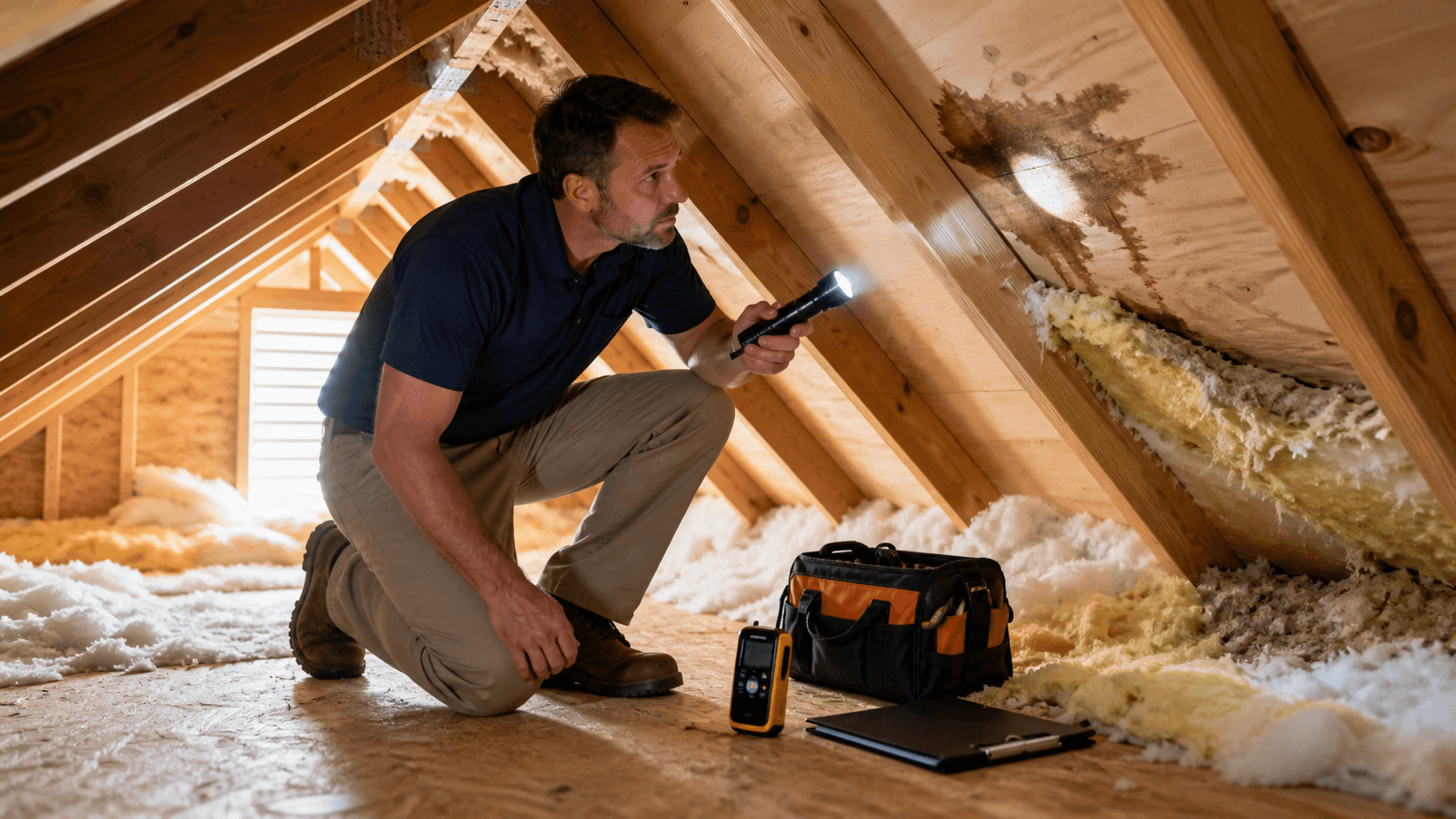
Water is enemy number one for a roof, and the attic usually tells on it first. The key is to follow stains and damp spots back to where the water's getting in.
Here's what to look for:
- Dark or discolored spots on the wood decking
- Insulation that's matted, damp, or oddly heavy
- Rusty nail tips sticking through the roof deck
- Moldy or musty smells, even if you don't see a drip
Fresh leaks often show up as:
- Shiny wet wood after a storm
- Active drips or tiny streams during or right after rain
- Bright stains that look newer than the older wood around them
Older leaks can look different. You might see:
- Brown rings that look like old coffee stains
- Wood that's darkened and dried but looks wavy or rough
- Insulation that looks crusted or stuck together in certain spots
When we handle roof repair in Dallas, TX, we see a lot of leaks that started as a tiny stain around a vent or valley and then grew. Our weather jumps from hot to cool, dry to heavy rain, sometimes in the same week. Those fast swings can open up small gaps around nails, chimneys, and flashing. Even a "small" stain can be the start of rotten decking or hidden mold if it sits there season after season.
Reading Heat, Ventilation, and Roof Life From the Attic
Your attic also tells you how well your roof system is breathing. You can feel a lot of it the second you open the access door. If it feels like a sauna on a mild day or the air feels stale and thick, something may be off.
Pay attention to:
- How hot it feels compared to the rest of the house
- Any strong musty or "old basement" smells
- Spots where insulation's missing, low, or packed down
Take a slow look around the edges and at the vents:
- Check soffit areas at the eaves for insulation pushed tight against them
- Look for exhaust vents or pipes that don't go all the way outside
- Notice any places where daylight shows through joints that should be sealed
When an attic can't vent heat, it builds up under the roof deck. That cooked air can age shingles from below and shorten the life of the whole roof. In our North Texas summers, that also puts more strain on your AC and can show up as higher electric bills. During cooler, rainy stretches, poor airflow can leave the attic damp and musty, which is rough on wood and insulation.
When Attic Clues Mean It's Time to Call a Pro
Some attic signs are a clear stop sign for DIY checking and a green light for a professional. You don't want to wait and "see how it does" with these.
Don't wait if you notice:
- Active dripping or a steady wet trail after storms
- Wood decking that feels soft, spongy, or sags when you tap it with a flashlight handle
- Heavy mold growth on wood or insulation
- Daylight coming in around roof edges, chimneys, skylights, or vents
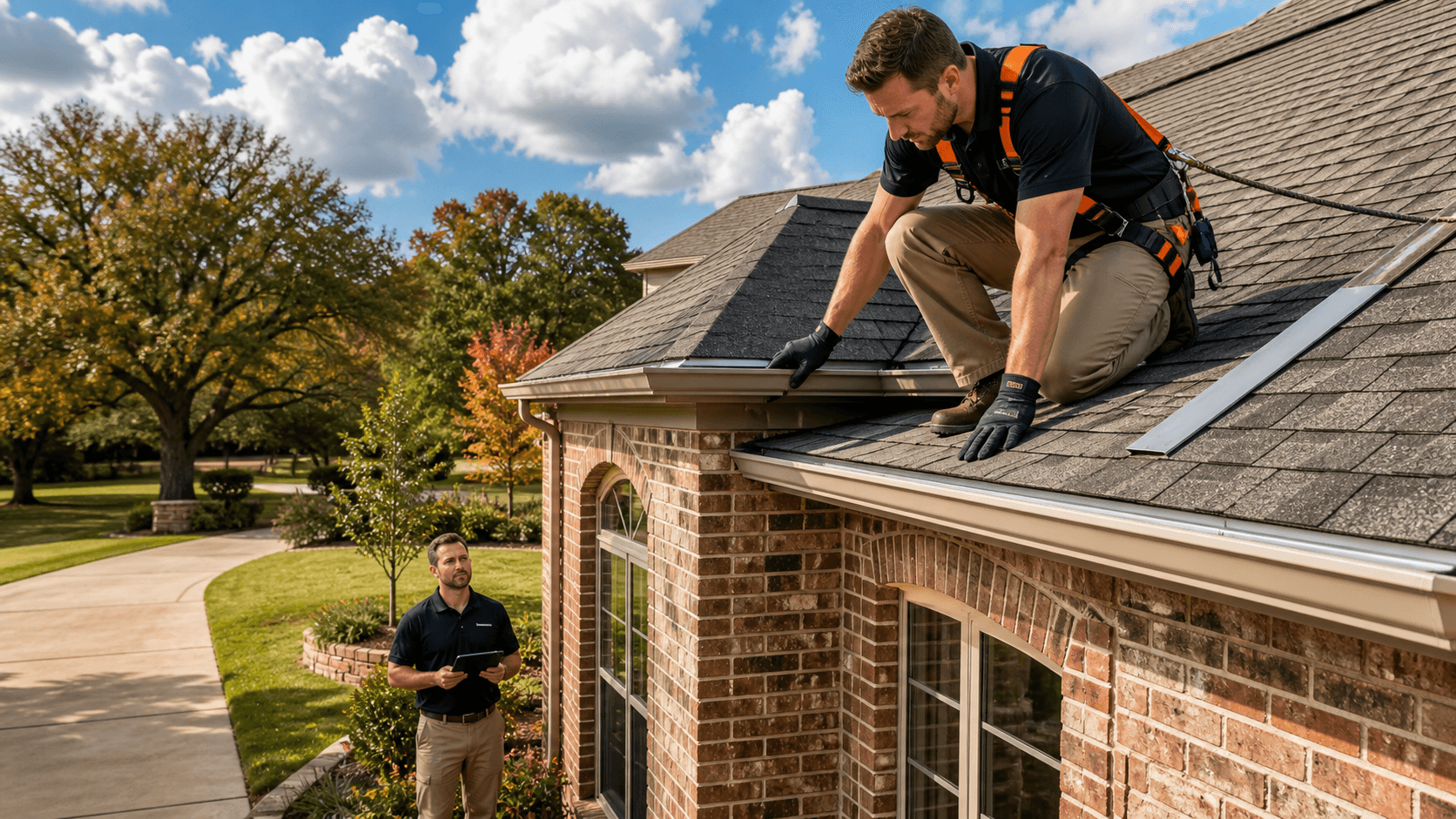
When we come out to check a roof that has attic warning signs, we match what you saw inside with a full look at the outside. A typical step-by-step looks like this:
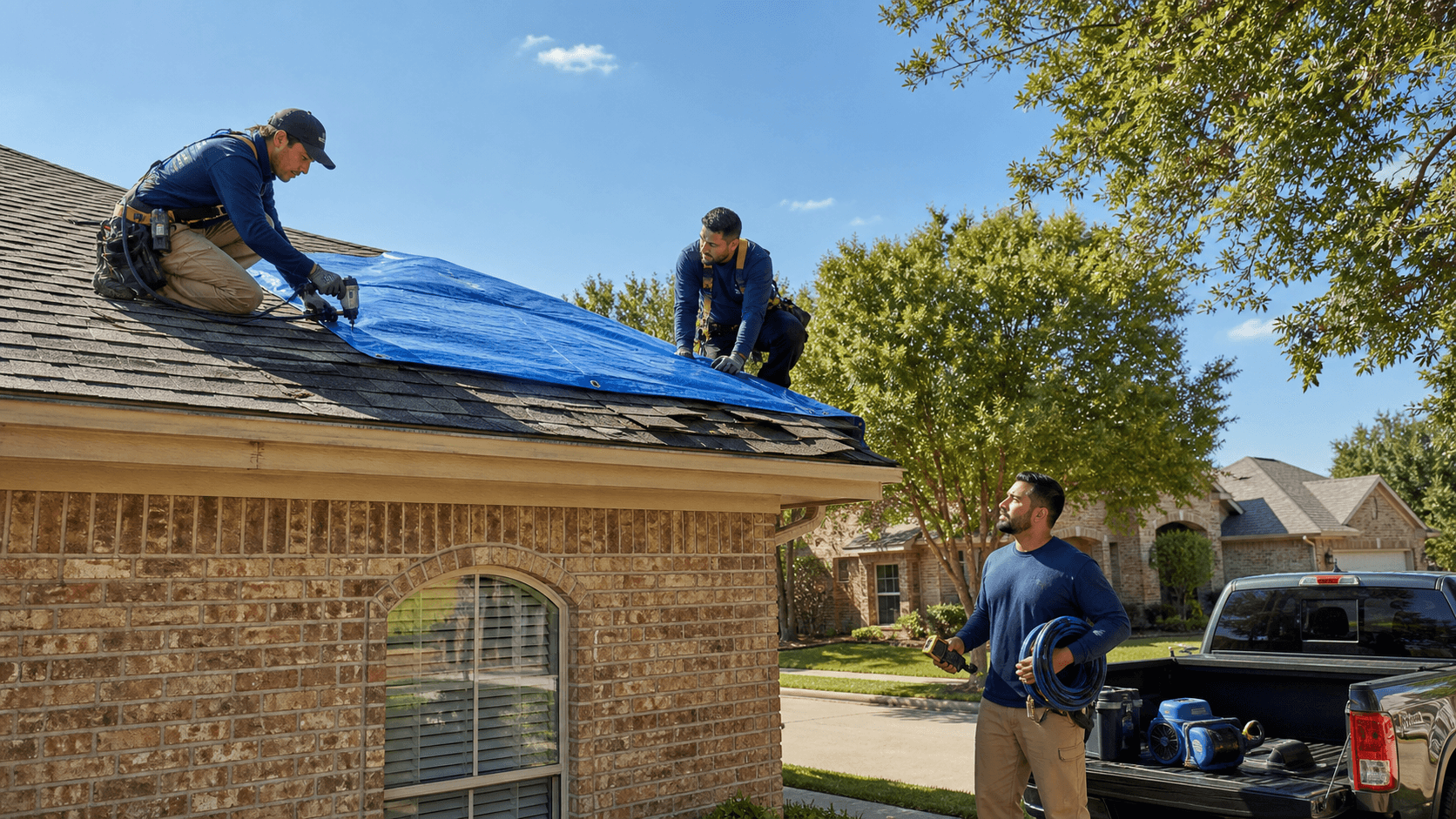
- Inspect shingles, vents, and flashing from the roof
- Pay close attention to valleys, chimneys, and any roof penetrations
- Check for missing, cracked, or lifted shingles
- Track the leak path to find the real entry point, not just where the water showed up
For roof repair in Dallas, TX and across East Texas, we also think about timing around storm seasons. If you need photos or notes for insurance, we help document what we see. The focus stays on repairs that actually stop the leak and protect the structure, not quick patches that just hide the symptom.
Turn Today's Attic Check Into a Solid Roof Plan
An attic walkthrough isn't just a one-time chore, it can be the start of a simple long-term roof habit. Treat this first look as your baseline.
Helpful habits to build:
- Take clear photos of any stains, gaps, or odd spots
- Jot down where they are, for example, "front left corner above garage"
- Set a reminder to peek again after the next big North Texas storm
- Keep your notes so you can compare over time and see if anything spreads
If anything you saw makes you uneasy or you'd rather not crawl around up there at all, that's normal. A lot of homeowners call us in to handle the attic and roof checks from the start. Reach out for a free roof and attic check. You'll talk to Roger or someone from our crew, not a call center, and you'll get a straight answer about what your roof really needs.
Get Started With Your Project Today
If your roof is showing signs of damage or leaking, our team at Apex Point Services is ready to help restore your home's protection. Learn more about our services for roof repair in Dallas, TX and see how we can address issues before they become costly problems. We will walk you through your options, provide a clear estimate, and schedule work at a time that fits your needs. If you are ready to move forward or have questions, simply contact us to get started.