North Texas heat is tough on homes. When the sun beats down on your roof for hours, your attic heats up, your AC runs longer, and your energy bills climb. One of the biggest tools you have to fight that heat is the roof itself, especially if you live in the Dallas area.
In this article, we will talk about how metal roofing in Dallas, TX affects your home's energy use. We will cover why our summers are so hard on roofs, what makes metal roofing different, how it can help all year, and what to think about if you are planning an upgrade.
Cut Summer Cooling Costs with Smarter Roofing
North Texas summers bring long, bright days and hot evenings when the air never really feels cooler. AC units run almost nonstop, and many homeowners feel stuck with high electric bills. What many people do not realize is that the roof plays a huge role in how much heat enters the home.
Your roof takes the direct hit from the sun. While windows and doors matter, that broad, flat surface overhead is often the biggest path for heat to sneak inside. When the roof stays hot, the attic warms up, and that warmth slowly spreads into bedrooms, hallways, and living areas.
Choosing metal roofing in Dallas, TX can change how your home handles heat. A smart roof system can help:
- Reduce how hard your AC has to work
- Keep upstairs rooms more comfortable
- Extend the life of your roof and HVAC equipment
- Support better resale appeal when it is time to move
A cooler roof will not remove summer heat, but it can make your home easier and less expensive to keep comfortable.
How Dallas Heat Affects Your Roof and Energy Use
On a typical North Texas summer day, sunlight pounds down on roofs, driveways, and streets for hours. Concrete and asphalt surfaces soak up that heat and give it off slowly, so the air around your house can feel warm even late into the night. Your roof sits right in the middle of that heat, taking energy from both above and below.
Traditional dark asphalt shingles tend to absorb a lot of that sunlight. They get very hot and hold that heat longer. That warmth moves into the attic, raising the air temperature above your ceiling. When that happens, your AC has to work harder to push cool air into rooms that are already surrounded by heat from above.
In many Dallas neighborhoods, you also see a "heat dome" effect. Many dark roofs, blacktop driveways, and parking lots are close together. All of them heat up during the day, then warm the air around them. That can lead to:
- Higher temperatures around your home
- Longer run times for your AC
- Less relief at night
When your HVAC system has to keep cycling on and off under those conditions, it can lead to more wear, more repairs, and earlier replacement. So roof heat is not just about monthly bills; it also affects your equipment over time.
Why Metal Roofing Stays Cooler in Dallas Summers
Metal roofing works differently from many common roofing materials. While dark shingles soak up sunlight, metal can reflect more of that energy away. Two simple ideas help explain this:
- Solar reflectance, how much sunlight the roof bounces back instead of absorbing
- Emissivity, how well the roof lets go of any heat it does take in
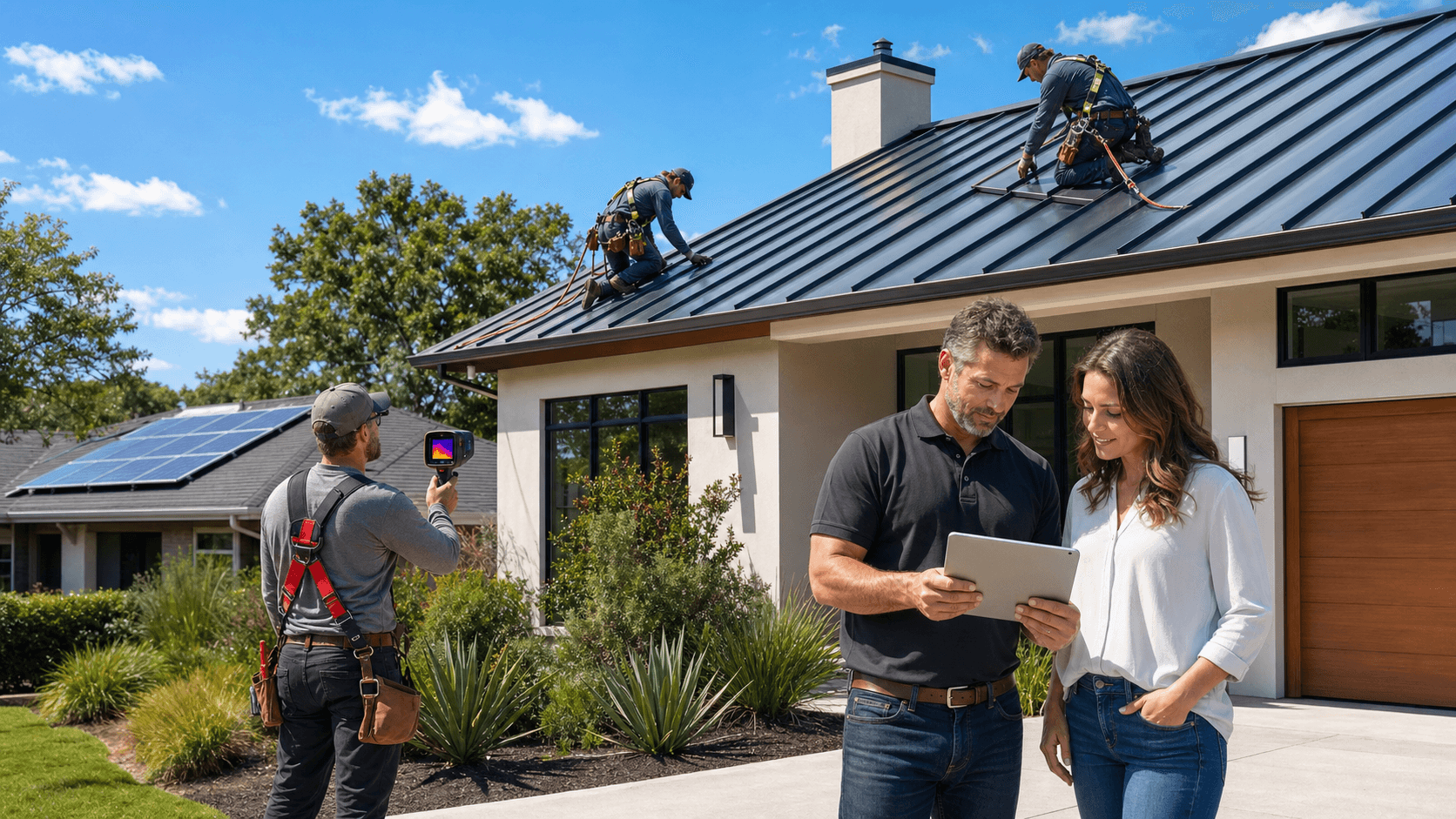
Modern metal roofing in Dallas, TX often comes with special "cool roof" paint or coatings. These finishes are designed to reflect more of the sun's rays and shed heat faster. They are also made to hold their color and look good under strong UV light.
On a bright summer afternoon, a reflective metal roof can stay noticeably cooler at the surface than a dark shingle roof. That difference can lead to:
- Lower attic temperatures
- Less heat pressing into upstairs rooms
- Fewer hot spots in rooms close to the roof
With less heat coming in from above, your indoor temperatures can stay more stable. That can help your thermostat work with smaller swings and keep your living spaces more even from room to room.
Year-Round Energy Benefits Beyond Just Summer
Dallas weather does not only bring steady heat. We also see quick jumps from cool mornings to hot afternoons, especially in the spring and fall. Roofs that react quickly to sun and shade can help your home deal with those swings.
With a well-planned metal roof, your HVAC system may not have to cycle on and off as often. When the roof stays cooler, the inside temperature changes more slowly, which can support better overall efficiency for your AC and any other equipment you use to control indoor comfort.
During cooler periods and storm season, a properly insulated and ventilated metal roof can still support energy savings. While this area is known for warm weather, those occasional cool nights feel better when heat is not escaping through gaps or weak spots at the top of the home. Metal roofing, paired with the right attic setup, can help keep indoor conditions more steady when the outside air shifts.
Over the long term, that can mean:
- Lower average monthly energy use over many years
- Fewer surprise repair days on very hot afternoons
- A roofing system that protects your home while needing less frequent replacement
Comparing Metal Roofing to Asphalt and Tile
In strong Texas sun, asphalt shingles are under constant stress. Heat and UV rays work on the surface, which can lead to curling, cracking, and loss of the small granules that help protect the shingle. As those surfaces break down, they often absorb even more heat, which is the opposite of what you want on a blazing summer day.
Tile roofs can perform better in some ways, especially lighter colors, but they are usually heavier. That extra weight may call for added structural support, which is not always simple for an existing home. Standard darker tile can also soak up a lot of solar heat, similar to asphalt.
Metal roofing offers a different balance:
- Cool-rated finishes to reflect more sunlight than many common materials
- Strength against hail, high winds, and heavy rain common in North Texas storms
- Lower chance of sudden leaks that force emergency fixes and hurt energy performance
Maintenance needs are another big difference. Metal roofing typically requires less frequent repair than some other options. When your roof stays in good shape without a lot of patchwork, your home stays better sealed, which helps your energy efficiency stay more consistent.
Planning a Metal Roof Upgrade for Maximum Savings
Not all metal roofs are alike. The type of metal, the color, the coating, and the way the panels are joined all play into how the system handles heat. Attic ventilation and insulation matter just as much as the roofing panels on top.
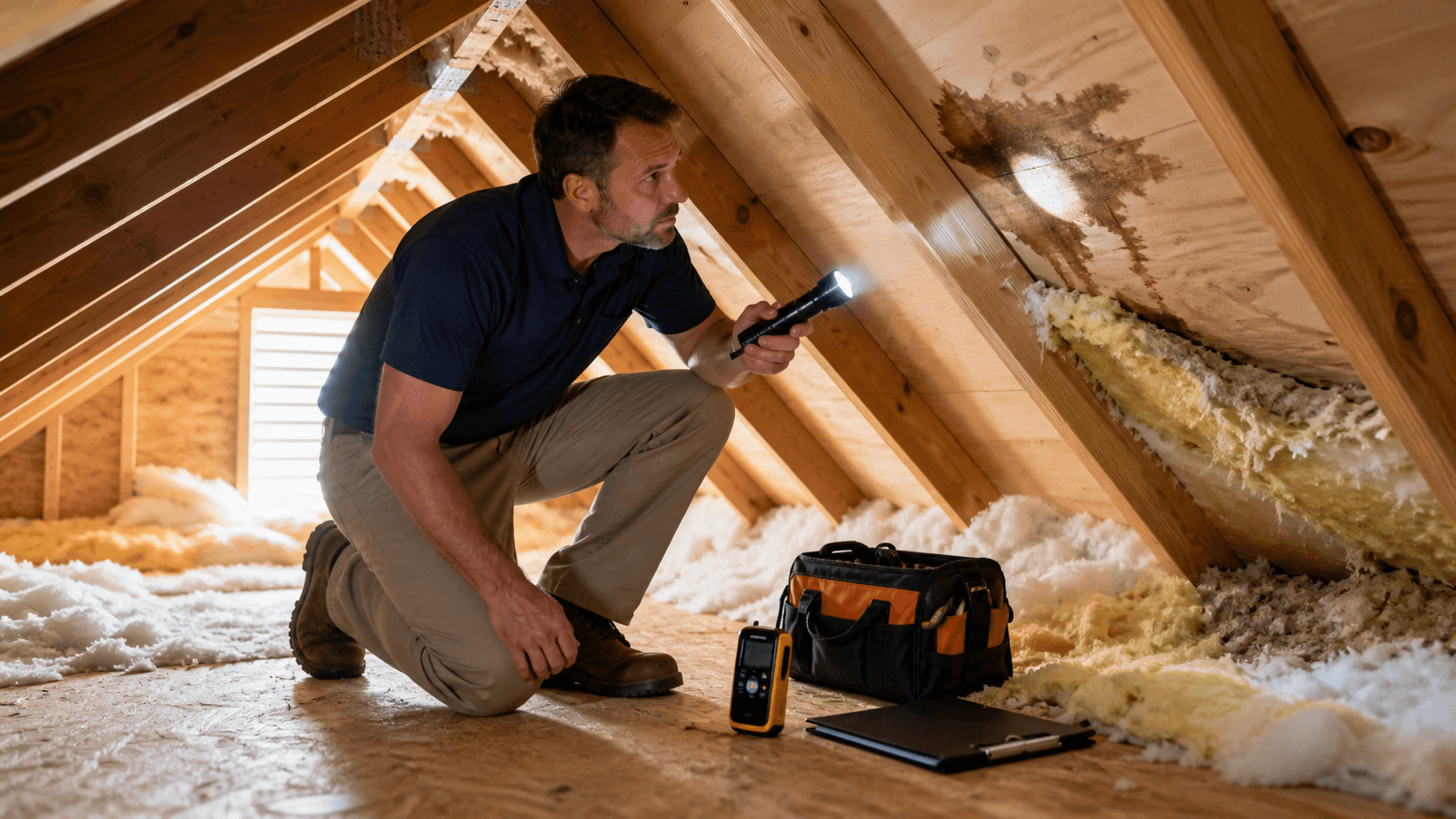
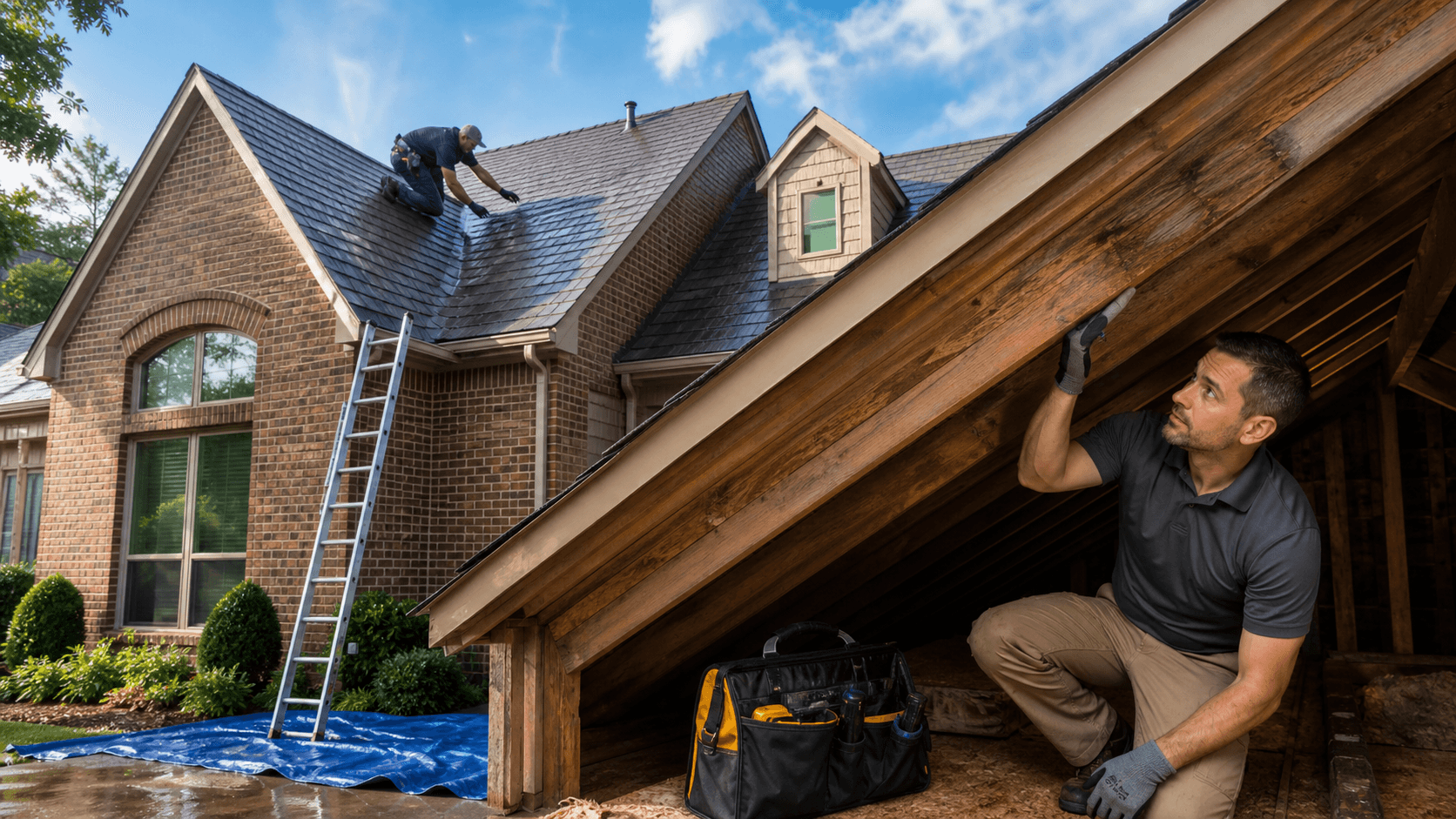
For the best energy results, a professional should look at the whole picture, including:
- Current attic insulation levels
- Existing roof framing and condition
- Ventilation paths for hot air to escape
- Tree shade and how your home faces the sun
Timing also helps. Many Dallas homeowners like to plan roofing projects in late spring or early summer so they can enjoy the benefits through the hottest months. Local contractors who work in North Texas every day understand our building codes, our weather patterns, and the products that balance comfort, style, and long-term performance.
As a general contractor based in this area, we see how much difference the right roof can make for daily comfort and long-term home value, especially when summer heat is at its peak. Metal roofing in Dallas, TX is not just a style choice, it is a smart way to take control of how your home handles sun and heat from the top down.
Get Started With Your Project Today
If you are considering an upgrade to a longer-lasting, more efficient roof, we are ready to help you plan the right solution for your property. At Apex Point Services, our team will walk you through materials, styles, and budget options so your investment aligns with your goals. Learn more about our approach to metal roofing in Dallas, TX and schedule a consultation to review your project in detail. Let us help you protect your home or business with a roof designed for North Texas weather.