What Roofing Contractor Garland TX Homeowners Need After Hidden Hail
Hail in North Texas does not always come with broken windows and shredded fences. Some storms roll through Garland quick and quiet, leaving roofs that look "pretty good" from the street while the real damage sits hidden on top of the house. That hidden damage can slowly chew up shingles and decking until you are dealing with leaks, stains, and repairs that could have been caught early.
Many homeowners miss it at first. The roof is not leaking, there are no big holes, and from the driveway it still looks fine. The problem is what you cannot see from the ground. The right roofing contractor in Garland, TX, pays attention to those small impact marks, weak spots, and all the documentation that helps you make smart decisions, not just fast patchwork. We will walk through what to watch for after a hailstorm, what a real inspection should include, and how a local crew should handle your roof like a neighbor, not a storm chaser passing through.
How Hidden Hail Damage Shows up Months Later
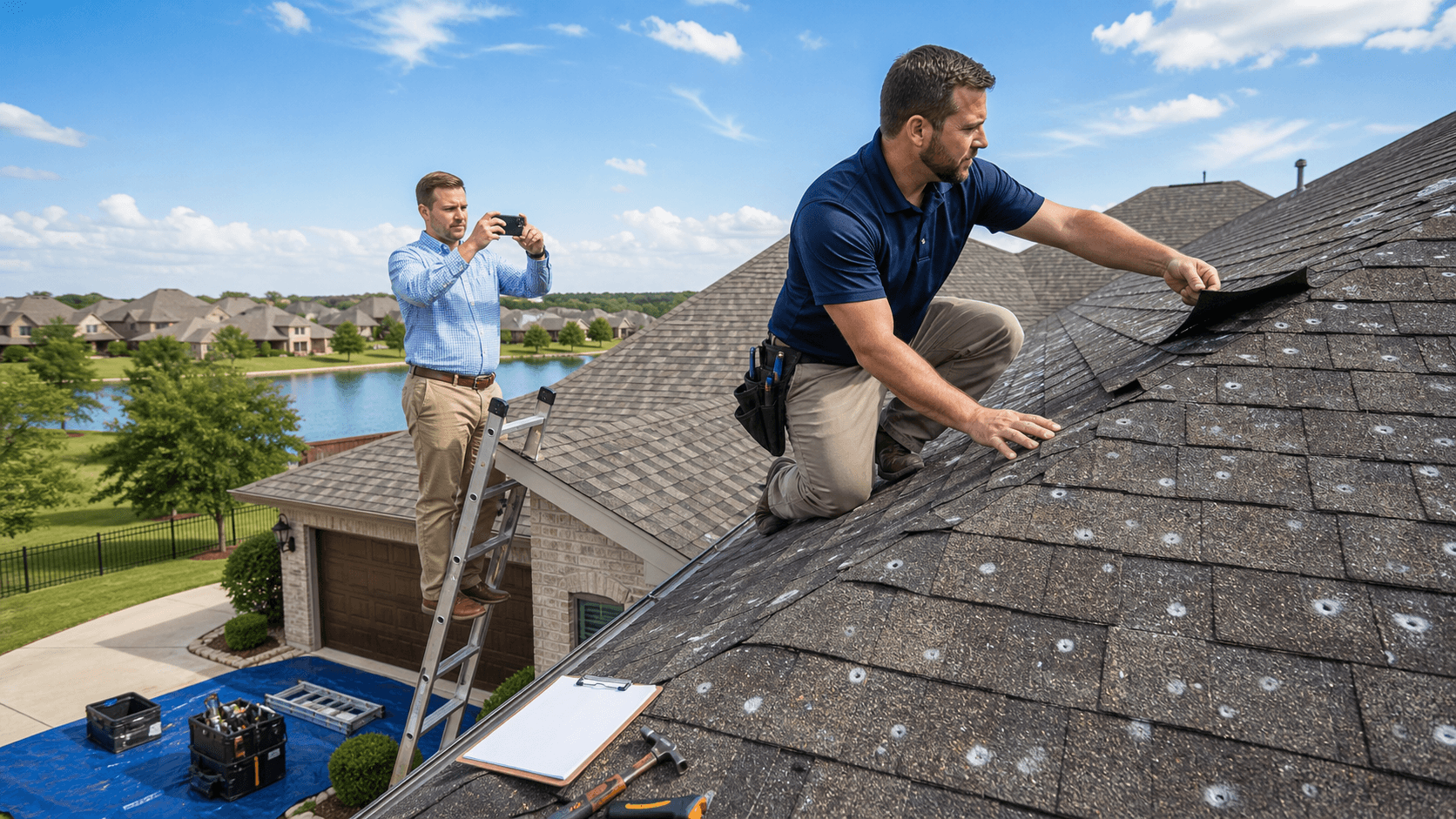
Hail does not have to be huge to cause trouble. When it hits asphalt shingles, it can bruise the mat under the surface, knock off the protective granules, and leave tiny openings where water and sun start to attack. Early on, you might not see much at all. Months later, after North Texas rain and temperature swings, that same roof can start to fail in spots.
Common delayed signs of hail damage include things like:
- Loose granules collecting in gutters and at the ends of downspouts
- Dark or soft "bruises" on shingles when you are up close
- Shiny bare spots where granules got knocked off
- Shingles that look lifted, curled, or cracked around the edges
- Interior signs like small ceiling stains or nail pops showing through drywall
When we get fall hail before a cooler, wetter stretch, the risk goes up. Water finds those small weak points, then expands and contracts as temperatures swing. That movement can open up seams, work under flashing, and slowly soak decking or insulation. If you do not have the roof checked before the next round of heavy rain, a small problem can turn into damaged wood and interior repairs.
What a Careful Hail Roof Inspection Really Includes
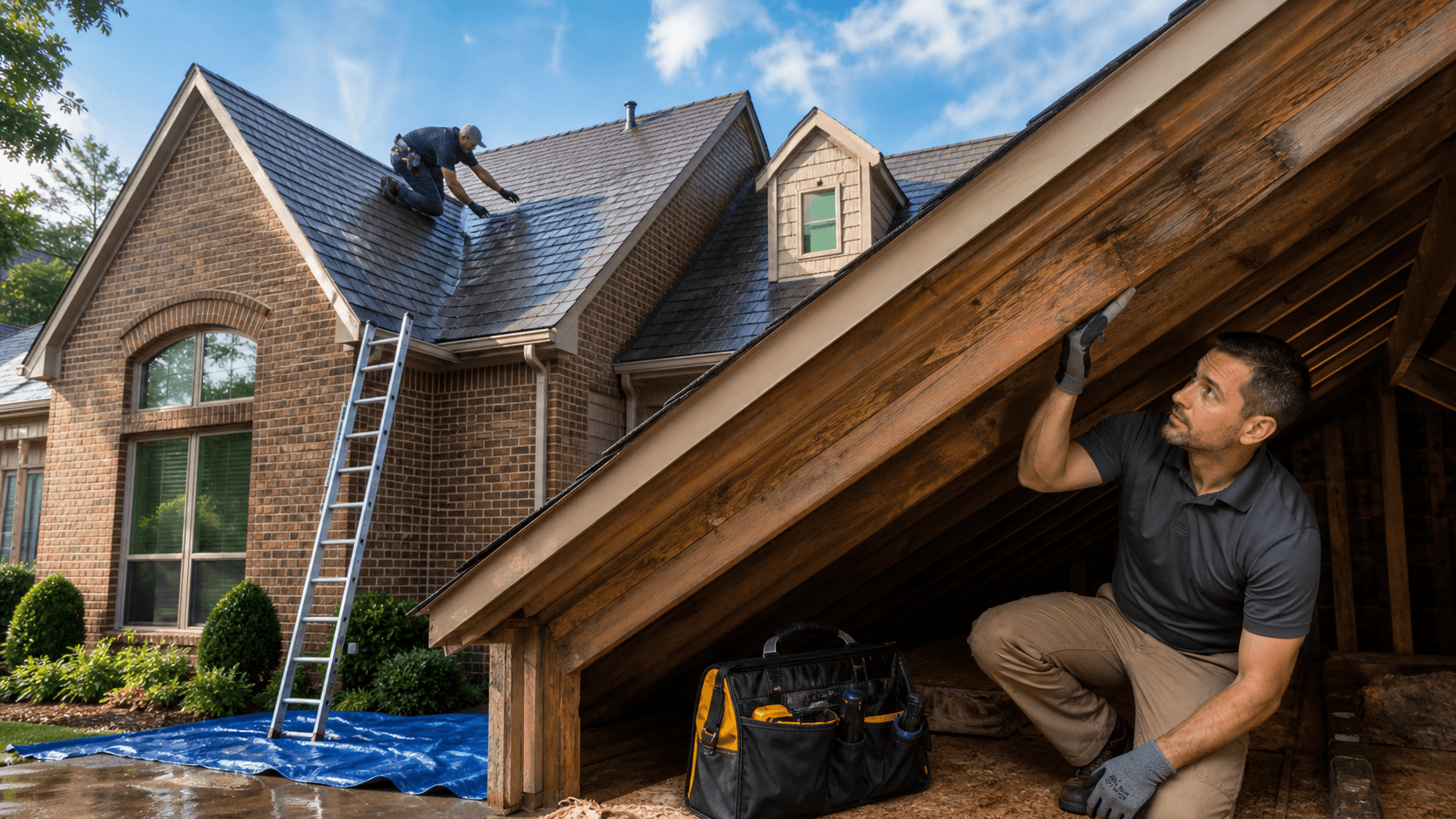
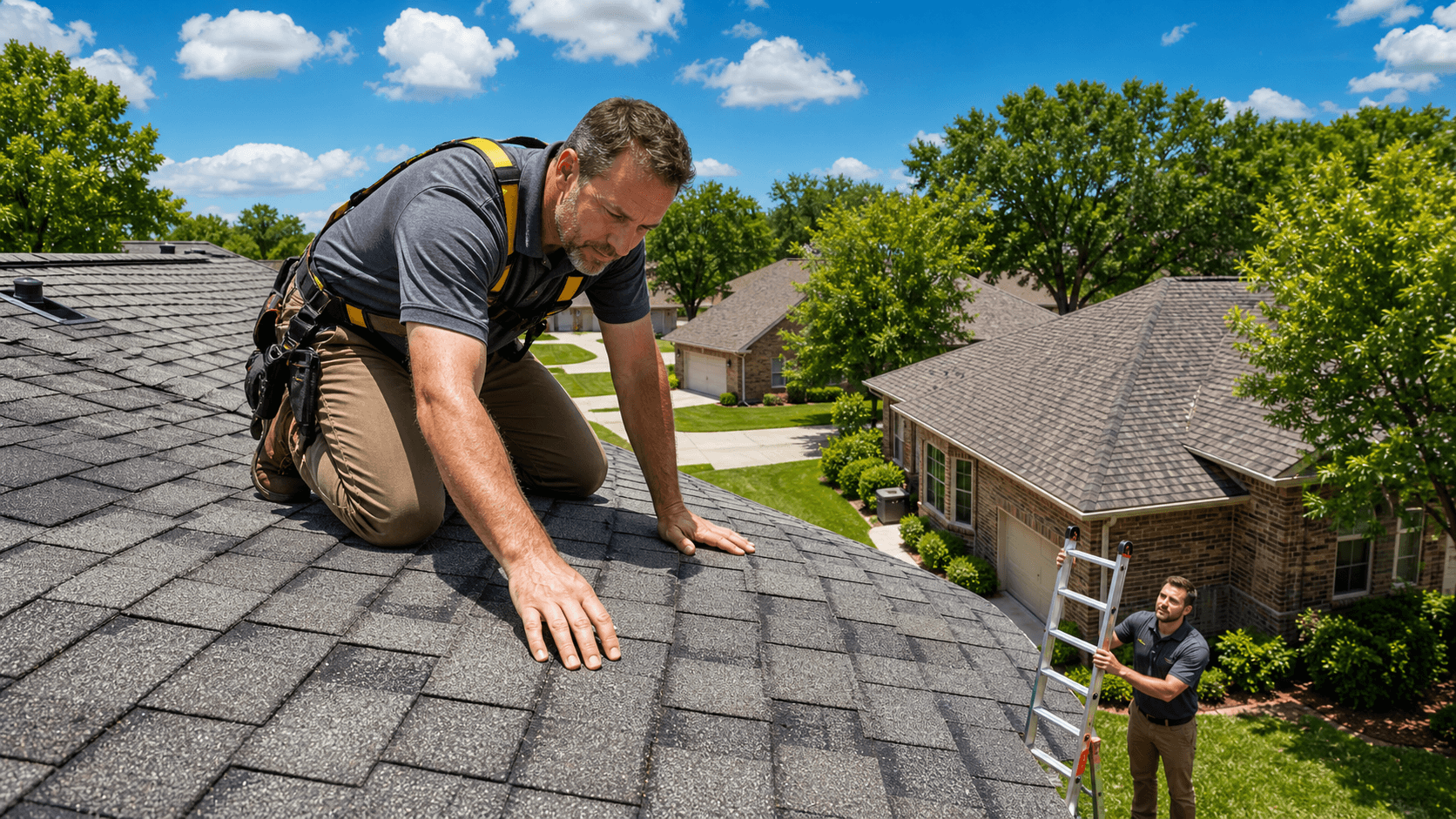
A real hail inspection is more than a quick walk around the yard and a few photos of shingles from a ladder. It takes time on the roof and inside the house, and it should follow a clear plan. The goal is to see how the whole roof system handled the storm, not just the easy-to-spot areas.
On the roof, a careful inspection should cover things like:
- Checking each slope that faced the storm for impact marks and bruising
- Feeling shingles for soft spots that show broken mats under the surface
- Looking at ridge caps, hips, and valleys where hail loves to hit hard
- Inspecting metal vents, pipe boots, and flashing for dings or cracks
- Confirming that seal strips still hold and shingles are not loose from impact
Off the roof, the inspection should keep going. A good roofing contractor in Garland, TX will also:
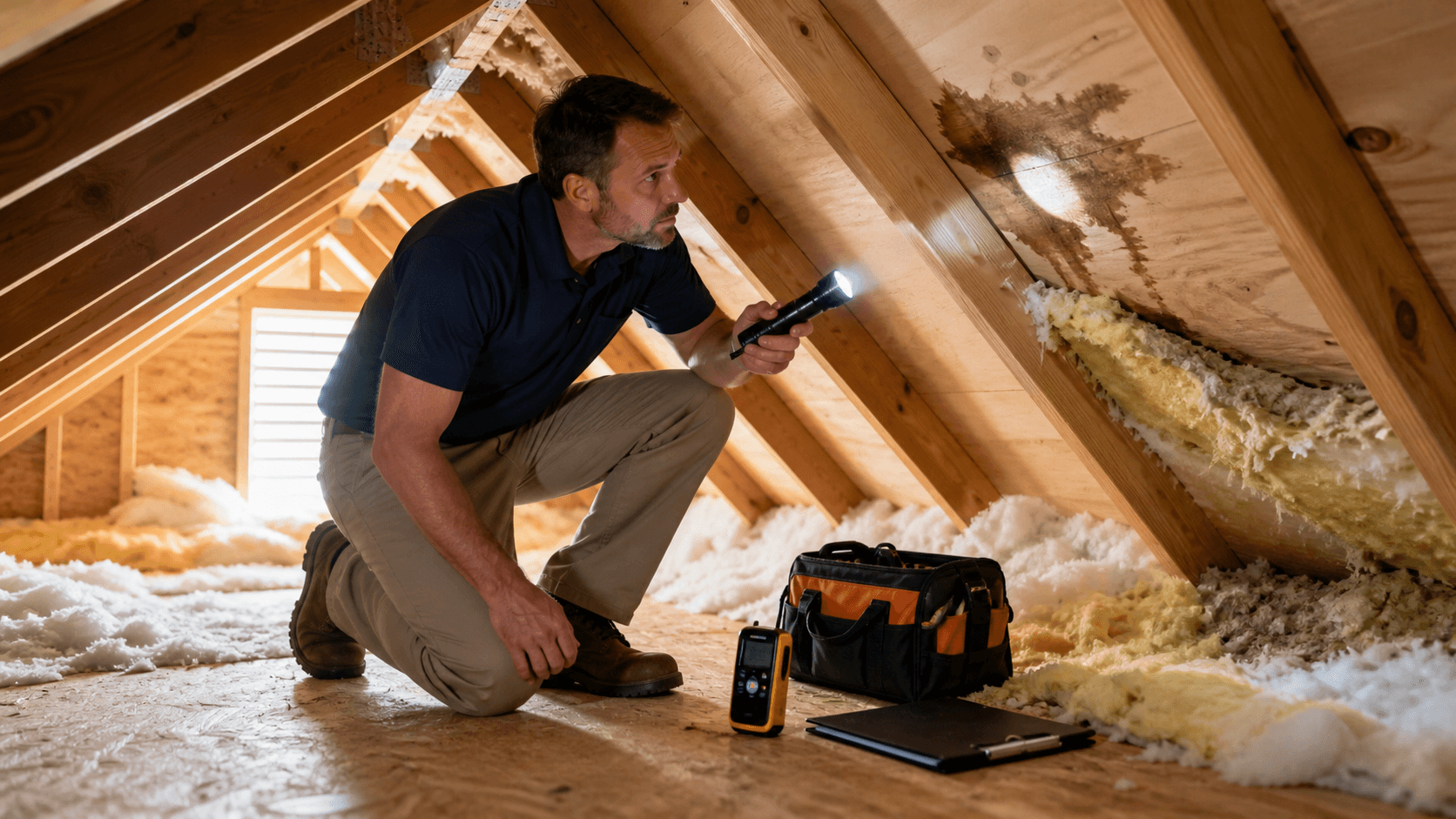
- Look in the attic for damp decking, dark rings, or moldy smells
- Check around chimneys, vents, and other penetrations for staining
- Look for wet or compressed insulation under suspect areas
- Make sure airflow paths are not blocked if debris shifted around vents
All of this should be documented clearly. That means photos, marked areas of concern, and simple explanations about which spots are cosmetic and which ones threaten the roof system over time. You should walk away understanding what is going on up there, not guessing.
Choosing a Roofing Contractor in Garland, TX After a Storm
Right after a hailstorm, it is common to see trucks and door knockers all over the neighborhood. Some are solid, many are not. The goal is to separate the people who work here year-round from the ones just chasing storms and fast signatures.
Red flags you should pay attention to include:
- Out-of-state plates and no real local presence
- High-pressure door knocks pushing you to sign "today"
- Vague descriptions of the work with no materials listed
- No clear mention of who is actually running your job
Instead, look for a contractor who will write out a specific scope, including:
- What will be repaired or replaced, not just "fix roof"
- What brand or type of shingle and underlayment they plan to use
- A realistic timeline that considers weather and crew size
- Straight answers about how they will work with your insurance, without big promises
At Apex Point Services, the owner personally runs every project from start to finish. We work with the same core crew, not a rotating set of strangers. When hail damage is minor, we say that and lay out repair options. When a roof is ready for a full replacement, we explain why. If we run into other issues during the job, like electrical or HVAC items that need attention, we coordinate licensed trades instead of guessing at work that is not ours.
From Hail Claim to Solid Roof Before Winter Hits
Once you suspect hail damage, the steps are pretty simple, but the order matters. First, get the roof inspected so you know what you are dealing with. From there, you can decide if you are looking at spot repairs or a full replacement. Then you can talk with your insurer using real documentation, not just a feeling that "the storm seemed bad."
That documentation should make your claim smoother because it shows:
- Where the impact marks are and how many
- How the shingles and components were affected
- Any related issues in the attic or interior
Timing can really matter when storms hit in late fall. You do not want an open claim and a compromised roof right as heavier winter rains and cold snaps roll in. A weak roof surface combined with cold, wet weather can start leaks, rot decking, and lead to more interior damage.
When we handle a hail job at Apex Point Services, the flow is simple and direct. We start with a clear estimate and photos so you can see what we see. Then we help you select materials that fit your home and your goals. We schedule work around the forecast, keep you updated while the roof is open, and keep the site as tidy as we can. At the end, we walk the job with you, check that everything is watertight, and make sure nails and debris are cleaned up.
Talk It Through Before the Next North Texas Storm
Hail is part of life around Garland, but surprise roof problems do not have to be. Catching hidden damage early is almost always easier than dealing with leaks later. A simple roof check after a storm or ahead of the next rainy season can tell you if you are in good shape or if you should plan repairs before things get worse.
At Apex Point Services, we keep it low-pressure. We offer free inspections and estimates, and we will tell you straight if a spot just needs watching, a small repair, or a full replacement. When you get in touch, you are talking directly with Roger, not a call center script. That is how we like to handle work in our own community, and it is how we will handle your roof.
Get Started With Your Project Today
If you are ready to protect your home with reliable, high-quality roofing, our team at Apex Point Services is here to help. As a trusted roofing contractor in Garland, TX, we provide thorough inspections, clear recommendations, and expert installation tailored to your property. Reach out today and we will walk you through your options, from materials and timelines to budget considerations. To schedule a consultation or request an estimate, simply contact us.