Protect Your Dallas Roof Investment After the Storm
Hail and wind can tear through Dallas fast, and the damage to your roof can be just as sudden. One moment you hear hail on the windows and heavy rain on the shingles, and the next day, you see pieces of shingles in the yard or a new stain on the ceiling. That is when the worry sets in, because your roof is what keeps everything else in your home safe.
Handling your roof insurance claim the right way can mean the difference between a properly funded repair and paying thousands out of pocket. The process can feel confusing, but it does not have to be. When you know what to document, when to act, and what mistakes to avoid, you are in a much stronger position.
In this guide, we walk Dallas homeowners through how to handle a hail or wind claim step by step. We cover how to spot damage, what to record, common timelines, and the traps that catch many people off guard. As a local North Texas contractor, we see these storms up close and understand how Texas policies and local building rules affect your roof repair in Dallas, TX.
Spotting Hail and Wind Damage on Your Dallas Roof
After a storm, the first step is to look for signs of damage, but to do it safely from the ground. You never want to climb on a wet or weakened roof, especially right after high winds or hail.
Typical signs of hail damage include:
- Dark round marks or "bruises" on shingles
- Bare spots where granules are missing
- Dents in gutters, downspouts, or metal fascia
- Dings on vents, flashing, and other metal roof parts
Wind damage often looks a little different:
- Lifted, bent, or creased shingles along ridges and edges
- Entire missing shingles, leaving exposed areas
- Loose or crooked flashing around chimneys or walls
- Debris impact spots where branches or objects hit the roof
Inside your home, check:
- Ceilings and walls for new stains or bubbling paint
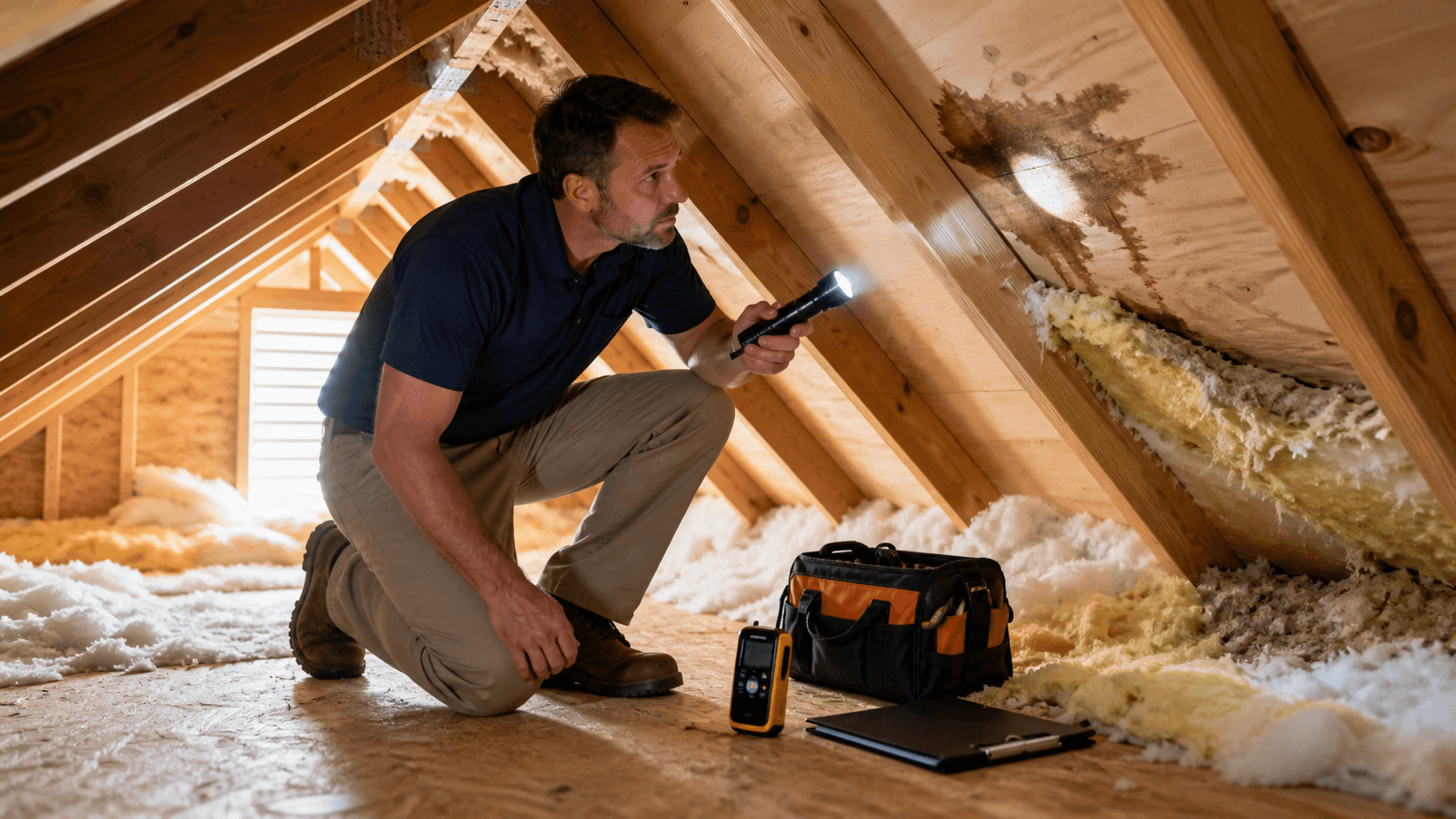
- Attic spaces for damp insulation or visible drips
- Musty smells that may hint at hidden moisture
If you see any of these signs, or if homes on your street clearly took damage, it is smart to ask a professional roofing contractor to perform a storm damage inspection. In Dallas, hail damage can be subtle but spread across the whole roof, and it often takes a trained eye to spot the full extent.
Documenting Roof Damage Before Calling Your Insurance
Good documentation is one of the strongest tools you have in the claim process. The more clear and organized your records are, the harder they are to ignore.
Start with basic storm details:
- Date and rough time of the storm
- Any notes about hail size you noticed
- If winds seemed strong, gusty, or long-lasting
- Any power outages, fallen trees, or flying debris in your area
If you can, save local weather alerts or radar images that match the time your neighborhood was hit. A quick screenshot on your phone can help confirm that the storm was in your exact area.
Next, take photos and videos:
- Wide shots of each side of your roof from the ground
- Close-ups of damaged shingles, gutters, siding, and window screens
- Photos of hail on the ground if it is still there
- Interior photos of ceiling stains, wet walls, or water in the attic
- Pieces of shingles or metal that landed in your yard
Keep everything in a digital folder labeled with the storm date. Add your notes and any emails or messages about the damage. This makes the conversation with your insurance company go smoother and keeps you from losing key details.
A written inspection report from a roofing contractor in Dallas can add even more weight to your claim. A trained inspector can identify storm-related issues that are not obvious from the ground and put them into clear language that lines up with what adjusters look for.
Filing Your Roof Claim in Texas Without Missing Deadlines
Most Texas insurance policies require you to report storm damage within a set time. The limit is often several months, but waiting that long can cause real problems. The sooner you act, the easier it is to show that the storm caused the damage and not normal wear and tear.
A simple timeline that works well for many Dallas homeowners looks like this:
- Within 24 to 72 hours: Call your insurance company, open a claim, and write down your claim number.
- Within the first week: Schedule the adjuster visit and a storm damage inspection with a local roofing contractor.
- After the visit: Compare the adjuster's estimate with your roofer's scope of work, and ask questions if they do not match.
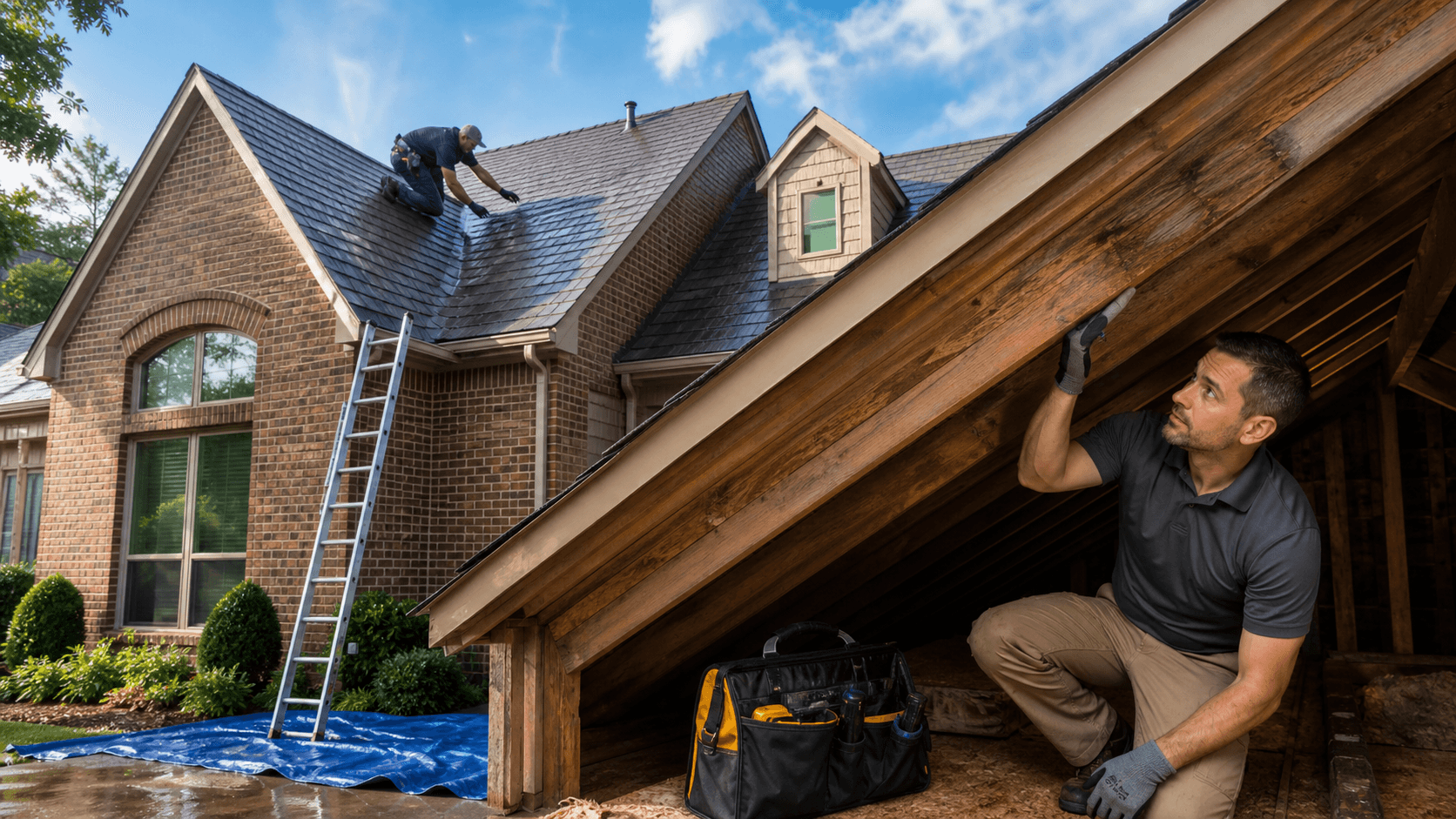
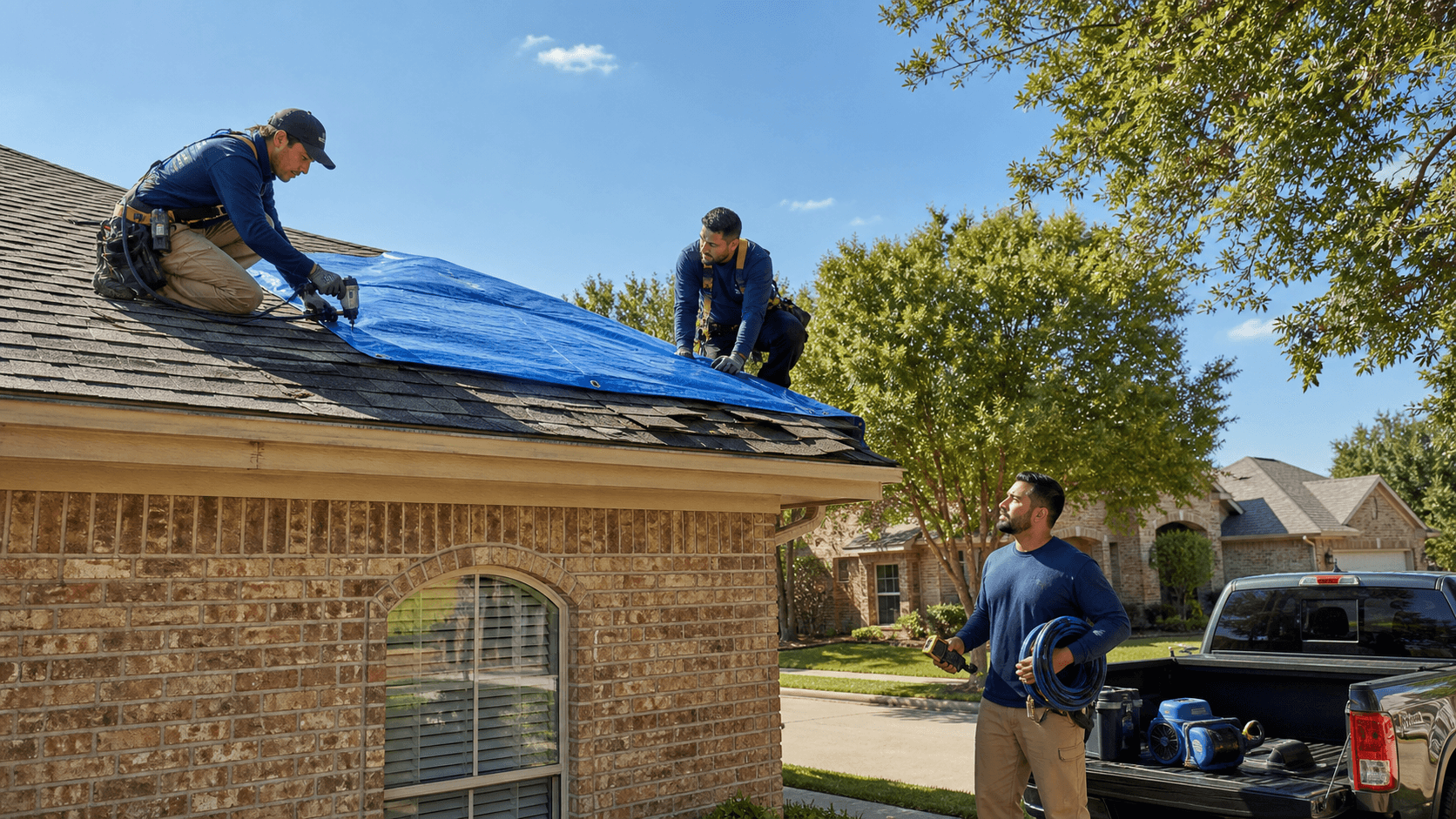
Storms can open up leaks that need quick attention. Temporary repairs like tarping a damaged area or securing loose shingles help protect your home and can keep things from getting worse. Save any receipts and take photos before and after these emergency steps. Many policies cover reasonable temporary repairs when they are done to prevent further damage.
In the Dallas area, spring and early summer storms can keep adjusters and roofers very busy. Being proactive and starting your claim early can help you avoid long waits and get your roof repair in Dallas, TX, on the schedule before backlogs grow.
Working with Contractors and Adjusters to Maximize Coverage
The insurance adjuster's job is to inspect your home and decide what damage is covered under your policy. Some adjusters know roofs well, others do not. Subtle hail hits or lifted shingles can be missed if no roofing professional is present.
A reputable local roofing contractor can:
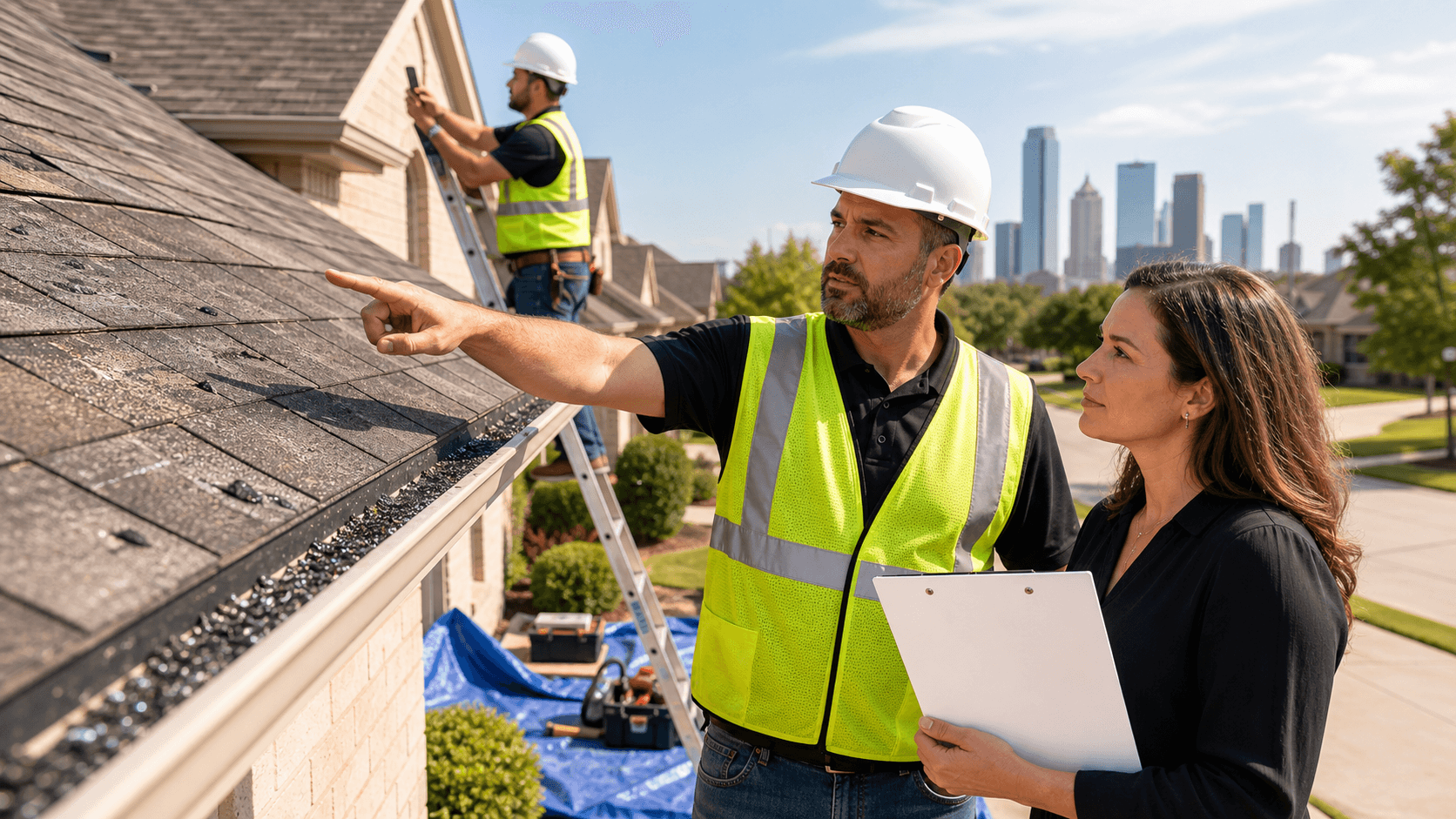
- Walk the roof with the adjuster and point out storm-related issues
- Provide a detailed written estimate and photos
- Explain local code requirements that may affect the work scope
Understanding a few common insurance terms will also help:
- Actual Cash Value (ACV): Payment for the roof's value after age and wear, often a lower amount.
- Replacement Cost Value (RCV): What it should cost to replace the roof with similar materials at current prices.
- Depreciation: The difference between RCV and ACV, which may be paid later if work is completed as required.
- Deductible: The amount you are responsible for paying according to your policy.
The check from your insurance is not the same as your final cost. Your deductible and any uncovered items still belong to you. A contractor with strong local experience in Dallas and the greater North Texas area can help you understand the estimate and avoid surprises.
Avoiding Costly Mistakes in Dallas Roof Insurance Claims
Many claim problems start with small missteps right after the storm. Being aware of these pitfalls can save you time and stress.
Common mistakes include:
- Waiting months to file, which can lead to disputes or denial
- Throwing away damaged shingles or gutters before they are documented
- Letting someone start full repairs before you have clear insurance approval in writing
- Accepting a low initial estimate without comparing it to a roofer's scope
Be very careful about high-pressure sales tactics. After large storms in Dallas, it is common for people you have never heard of to knock on your door and ask you to sign confusing documents on the spot. Signing over control of your claim or allowing someone to "cover" your deductible can create legal and financial trouble, and in Texas it may cross the line into insurance fraud.
Even small leaks or a few missing shingles should not be ignored. In our heat and frequent storms, small openings can let water into decking, walls, and insulation, turning a simple roof repair in Dallas, TX into a bigger structural project down the road. If your claim is denied, or the settlement does not seem to match the damage you see, getting a second opinion from a trusted local roofing contractor is often a smart move.
Take Control of Your Roof Claim and Protect Your Home
Handling a roof claim after hail or wind damage does not have to feel overwhelming. When you know how to spot trouble, document what you see, file on time, and work with the right local pros, you have real control over the outcome.
At Apex Point Services, we focus on helping Dallas and North Texas homeowners move from storm damage to solid, long-lasting repairs with less stress. We understand how storms hit this area, how roofs respond, and how to support you through the inspection and claim process so your home is protected before the next round of rough weather arrives.
Get Started With Your Project Today
If your roof is showing signs of damage, we are ready to inspect it and provide a clear plan to protect your home. At Apex Point Services, our experienced team delivers efficient, detail-focused solutions tailored to your specific needs. Schedule reliable roof repair in Dallas, TX with us today so you can move forward with confidence in your roof's condition.