When Hail Hammers Your Roof in Forney
A big North Texas hailstorm can roll across Forney, Terrell, Heath, or Sunnyvale in under an hour and leave you staring at shingle pieces in the yard. The sky clears, the sirens stop, and now you're looking at your roof thinking, "What did that just do to my house?" On top of that, the phone starts buzzing, insurance is asking questions, and trucks you've never seen before are crawling your street.
It feels like you get one shot to pick the right crew. You want a roofing contractor in Forney, TX who'll actually show up, do solid work, and still be around when the next storm rides along US 80. In this guide, we'll walk through what hail really does to your roof, how to sort out storm chasers from local contractors, what to demand in writing, and how to work with insurance without losing control of your own home.
We're Apex Point Services, a family- and veteran-owned general contractor serving Dallas, Fort Worth, North Texas, and East Texas. Our team deals with the same hail, heat, and straight-line winds you do, and we handle each job with clear communication and practical, durable solutions.
What Hail Really Does to a Roof in North Texas
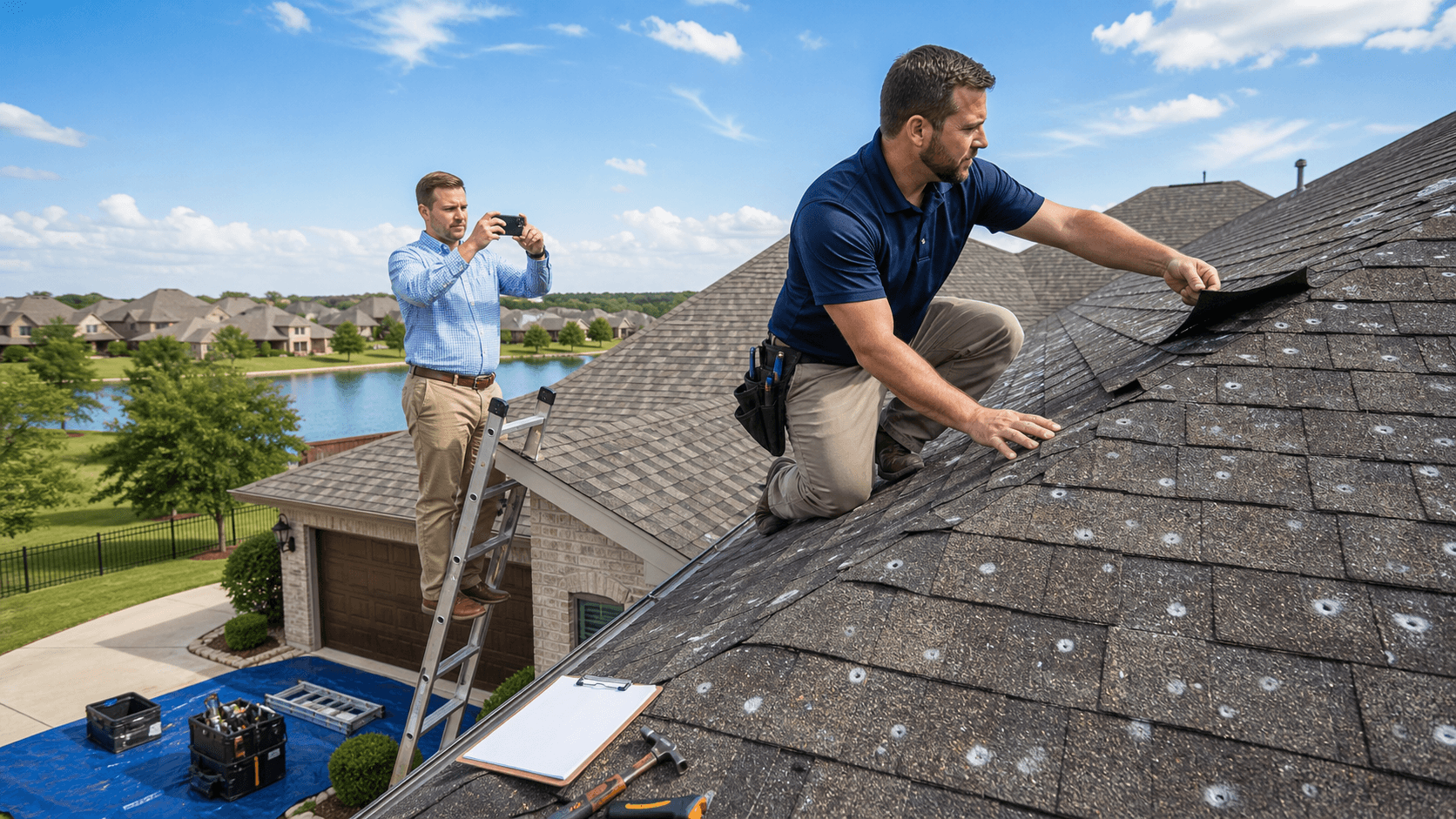
Hail does more than just scuff shingles. Those ice balls can bruise and crack materials all across your roof system.
Common problems we see after storms in this area include:
- Bruised or crushed asphalt shingles
- Granules washing off and piling up in gutters and at downspouts
- Cracked tiles on tile roofs
- Dented vents, turbines, and metal ridge caps
- Lifted ridge caps and loosened flashing around chimneys and walls
From the ground, you can often spot early warning signs without climbing a ladder:
- Dark or soft-looking spots on shingles
- Shiny fiberglass threads showing where granules are gone
- Bent metal around chimneys, vents, or skylights
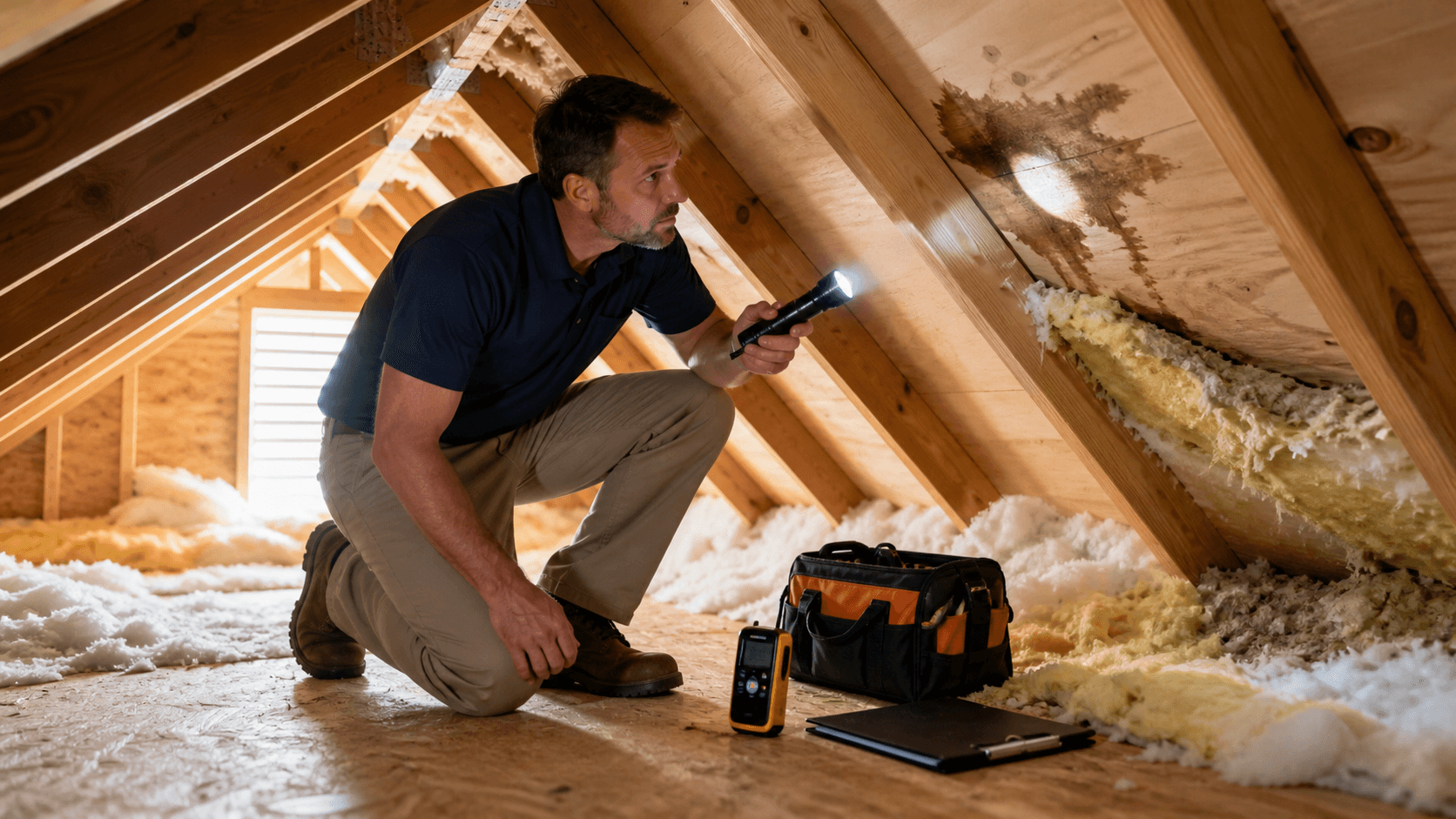
- New water spots on ceilings when the next rain comes through
Timing matters. Small hail hits can turn into full leaks after weeks of Texas heat and more storms. Shingles cook, tiny cracks open up, and what looked minor can turn into rotten decking or stained drywall. Insurance adjusters also look for fresh, documented damage, so getting a qualified inspection sooner instead of later usually works in your favor.
That's why choosing the right roofing contractor in Forney, TX isn't just about who can swing a hammer. You want someone who understands hail patterns in North Texas, knows local building codes and inspection rules, and is used to how claims get handled in places like Kaufman County.
How to Sort Storm Chasers From Local Roofers
After a big storm, one thing shows up fast: storm chasers. These are traveling outfits that follow bad weather from state to state.
They often share the same pattern:
- Out-of-state plates and rental trucks parked on your street
- Yard signs that pop up overnight, then vanish a month later
- Door knockers pushing you to sign on the spot before you call insurance
- High-pressure talk about "free roofs" and "today only" deals
A local contractor in the Forney area looks different. They have a real presence in DFW and East Texas, and you can usually find real jobs they've done in neighborhoods like Travis Ranch, Fox Hollow, and Heartland. Their crews don't disappear when the last claim in town gets paid. You should be able to track them down months or years later.
You can check a roofer out in 15 to 20 minutes:
- Look up their business name and confirm a physical presence in the area
- Read recent reviews focused on local towns, not states away
- See if their phone number, branding, and company name have stayed the same over time
- Ask who'll actually manage your job: owner, working foreman, or an unknown sub crew
Local matters for the long haul. Forney inspections, HOA rules, and neighborhood quirks can slow a job if the roofer isn't used to them. When a cap blows off in the next windstorm or a pipe boot cracks, you want someone close enough to actually come back, not a disconnected number.
Non-Negotiables When Hiring a Roofer in Forney
Before anyone touches your roof, there are a few things that shouldn't be skipped.
Start with licensing and insurance basics:
- General liability insurance helps protect you if there's damage to your property during the work
- Workers' comp, when a contractor carries it, helps protect you if a worker gets hurt on your property
- Ask for certificates sent directly from their insurance agent, not just a copy on a phone
Next, get a written scope of work. A real estimate should spell out:
- Shingle brand and line, not just "architectural shingles"
- Underlayment type, including any ice and water shield in valleys or around penetrations
- What happens with flashing, vents, pipe boots, and drip edge
- How they handle rotten decking if they find it once shingles are off
- Any ventilation changes, such as ridge vents or improved intake
Warranty terms should be clear and simple. You want to know:
- What's covered: labor, materials, or both
- How long coverage lasts
- What can void it, like other contractors altering the roof
- How to reach them if you spot a leak during a midnight thunderstorm
On pricing, be careful of the "cheapest wins" mindset. A super low bid often cuts corners in places that are hard to see, like fewer nails per shingle, cheaper underlayment, or skipped ventilation work. A solid contractor prices jobs so they can pay trained crews, follow code, and stay in business long enough to stand behind the roof.
Working with Insurance Without Losing Control
After a hailstorm in Forney, the basic flow usually looks like this:
- Get emergency tarps if your roof is open or you have active leaking
- Have a qualified contractor document damage with photos and notes
- File the claim with your insurance company
- Meet the adjuster at your property so everyone looks at the same things
- Review the adjuster's report and plan repairs or replacement before the next big rain
A good roofing contractor in Forney, TX should help you through, not take over. That often means:
- Meeting the adjuster on site and walking the roof with them
- Speaking the same "line item" language on vents, flashing, code upgrades, and more
- Catching items that may have been missed, like damaged accessories or extra layers
- Keeping you in the loop so you know what's happening at each step
There are real red flags to watch for:
- Contractors offering to "eat" or "cover" your deductible
- Pressure to sign over your claim check or give up control of the funds
- Suggestions to skip code-required work just to match a number
It's your house and your claim. A contractor should advise, document, and coordinate, not hijack the process or make side deals that put you in a bad spot later.
What a Straight-Shooting Roofer Looks Like in Practice
So what does it look like when a roofing job goes right after a storm?
A no-drama roof replacement usually has:
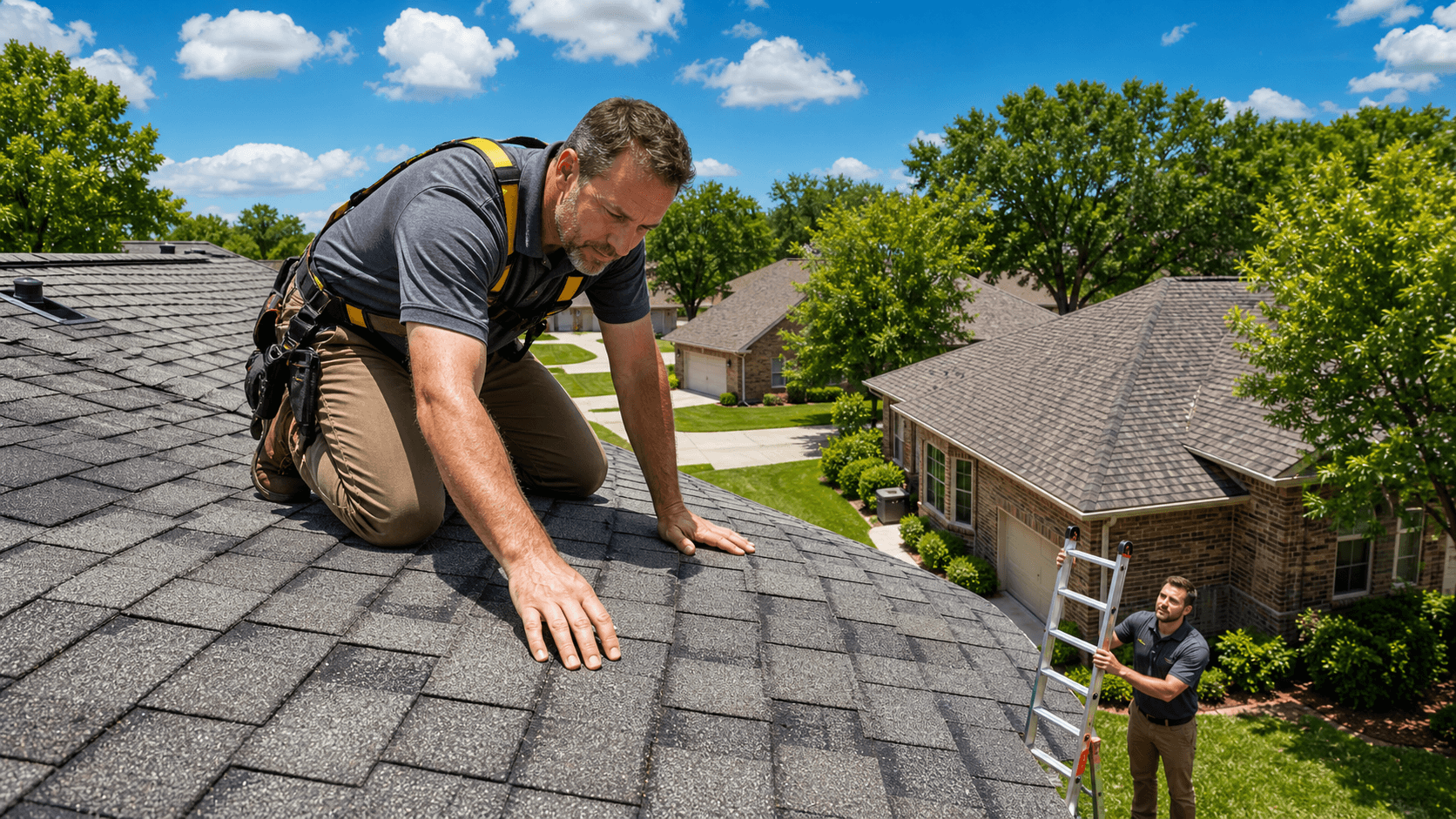
- An initial walk-through where the roofer listens to your concerns and checks the whole system
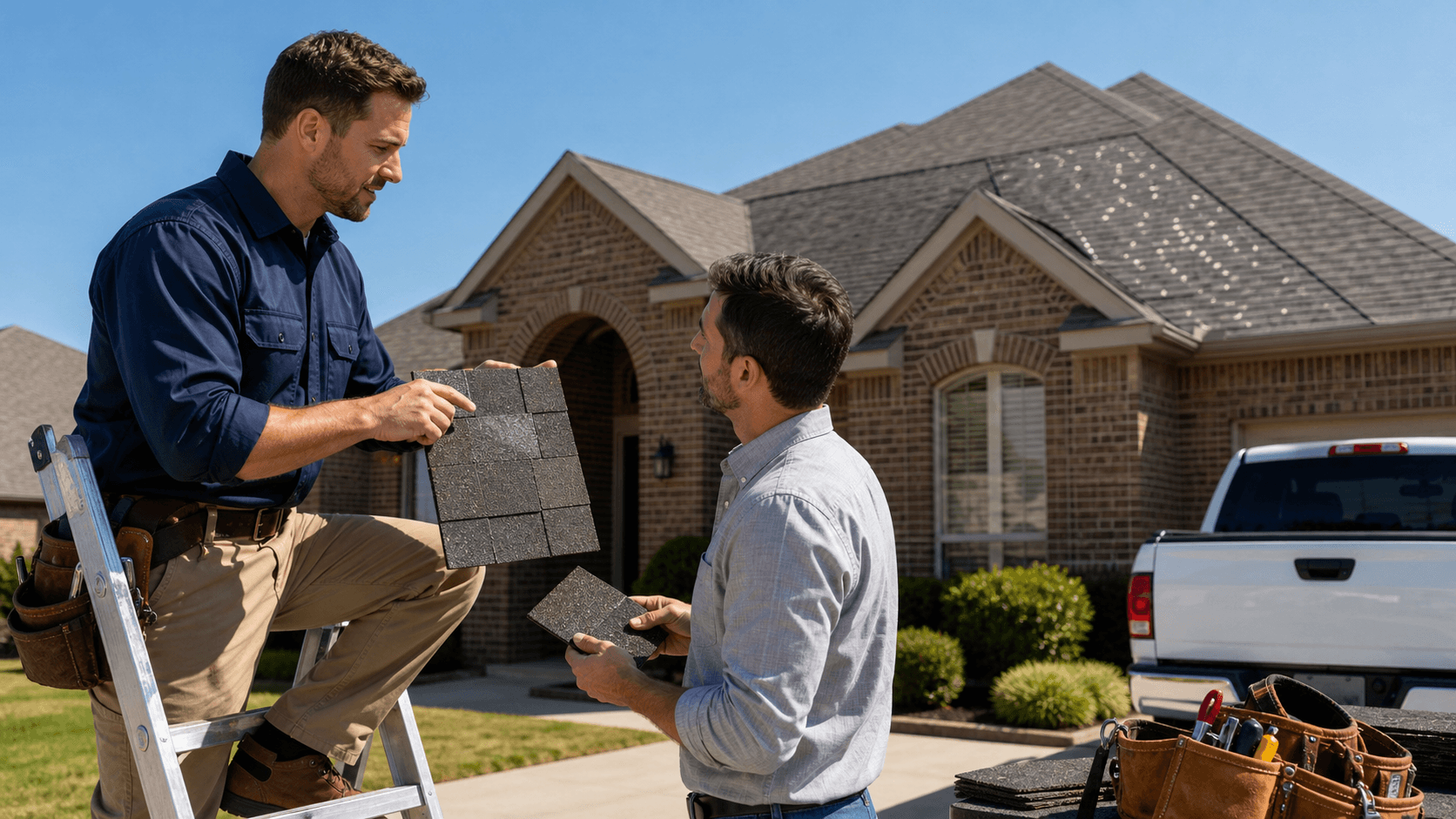
- An honest assessment, including telling you if a repair, not a full replacement, makes sense
- A written estimate that matches what's actually on your roof and what code requires
- A clear schedule so you know what days will be noisy and when crews will be there
- Daily cleanup so your yard isn't full of nails, shingle scraps, and trash
For roofs in North Texas hail and heat, we often talk with homeowners about:
- Impact-resistant shingles or upgraded options when the budget allows
- Quality underlayment that can handle high temperatures
- Starter strips and proper nailing to fight wind along ridges and eaves
- Ridge vents or other ventilation where it makes sense, so your attic can breathe
- Careful flashing work around chimneys, skylights, and walls, which is where many leaks start
On job days, you should know what to expect. Crews should arrive within a set window, protect landscaping as best they can, and use magnets to pick up nails around driveways and lawns.
A final walk-through with you at the end helps catch any small details before everyone packs up.
When roofs tie into electrical, plumbing vents, or HVAC penetrations, a responsible contractor coordinates with licensed trades. Guessing around those areas is a quick way to end up with leaks or bigger problems down the road.
Apex Point Services keeps a straight-talking, steady approach on every roofing, remodeling, and construction project we handle across Dallas, Fort Worth, North Texas, and East Texas. We price work so we can do it right, meet code, and be here when the next storm rolls through.
If hail just worked over your roof in Forney or a nearby town, reach out for a no-pressure inspection and estimate. You'll talk directly with our team, not a call center, and we'll walk the roof with you so you can see what we see before you make a decision.
Get Started With Your Project Today
If you are looking for a trusted roofing contractor in Forney, TX, our team at Apex Point Services is ready to help protect your home with reliable, long-lasting solutions. We will inspect your roof, explain your options clearly, and provide a straightforward plan that fits your needs and budget. Reach out today and let us take the stress out of your next roofing project, or schedule a time to talk through your goals using our contact page.