Protecting Your Roof Investment During Garland Summers
Roof replacement in Garland, TX often lands on the late summer to-do list. The kids are headed back to school, many businesses are planning projects before year end, and the worst of the peak heat is starting to ease a bit. It feels like the right window to finally take care of that aging roof.
At the same time, North Texas late summer and early fall can bring quick storms, heavy rain, and hail. If a roof is torn off and a storm hits at the wrong moment, you can end up with soaked decking, interior leaks, and a project that drags on longer than it should. That is why smart planning, careful staging, and weather awareness matter so much.
In this article, we share how timing works, what good protection on an active job should look like, and how to keep your home or commercial building safer during this active storm stretch.
Understanding Garland's Late Summer Weather Risks
Garland sits in a spot where Gulf moisture and passing fronts like to meet. Late summer often brings:
- High-heat and humidity
- Pop-up afternoon thunderstorms
- Strong wind gusts around storms
- Periodic hail that can be hard on roofs
These conditions affect how a roofing project should run. Asphalt shingles actually like some warmth so the seal strips can bond, but extreme heat on bare decking can be rough on materials and on crews. Underlayment that is left exposed can handle some sun, but steady rain can push water under seams if things are not sealed correctly.
There is also a big difference between a normal rain delay and a serious storm problem. A quick shower might just mean crews pause and then get back to work after the surface dries. A line of storms with strong wind and hail is a different story and can:
- Push water under poorly secured tarps
- Damage new shingles that are not fully sealed yet
- Make it unsafe for anyone to be on the roof
That is why careful scheduling, watching updated forecasts, and having a backup plan are so important for roof replacement in Garland, TX during this time of year.
Choosing the Right Time for Roof Replacement in Garland
So should you replace your roof in late summer or wait until early fall? Each option has tradeoffs.
Late summer pros:
- Warm temperatures help shingle sealing
- Longer daylight gives more working time
- Many people like to finish before busy fall holidays
Late summer cons:
- Higher chance of pop-up storms
- Heat stress for crews, which can slow pace
- More active hail risk in some weeks
Early fall often brings slightly calmer weather patterns and a bit less heat, but you may also see tighter contractor schedules as people rush to finish projects before the calendar year ends.
The real question is how urgent your roof problem is. Signs it may not be wise to wait include:
- Active leaks or stained ceilings
- Missing or badly curled shingles
- An older roof that struggles during every rain
In those cases, waiting for a "perfect" weather window can actually carry more risk than moving forward with a well-planned project now.
A few planning tips:
- Book a professional inspection early so you are not rushed into a decision.
- Talk about time buffers built around historically stormy weeks.
- If you have hail or wind damage, coordinate the timeline with your insurance claim so everyone is on the same page.
Good contractors help Garland homeowners and property managers weigh these factors, choose practical dates, and set up backup plans so work can keep moving safely even when the weather is a bit jumpy.
Storm-Smart Roof Replacement Practices You Should Expect
During storm season, how the work is staged matters just as much as when it is scheduled. A storm-smart roofer will not strip your entire roof at once if there is any chance of unstable weather that day.
Instead, you should expect them to:
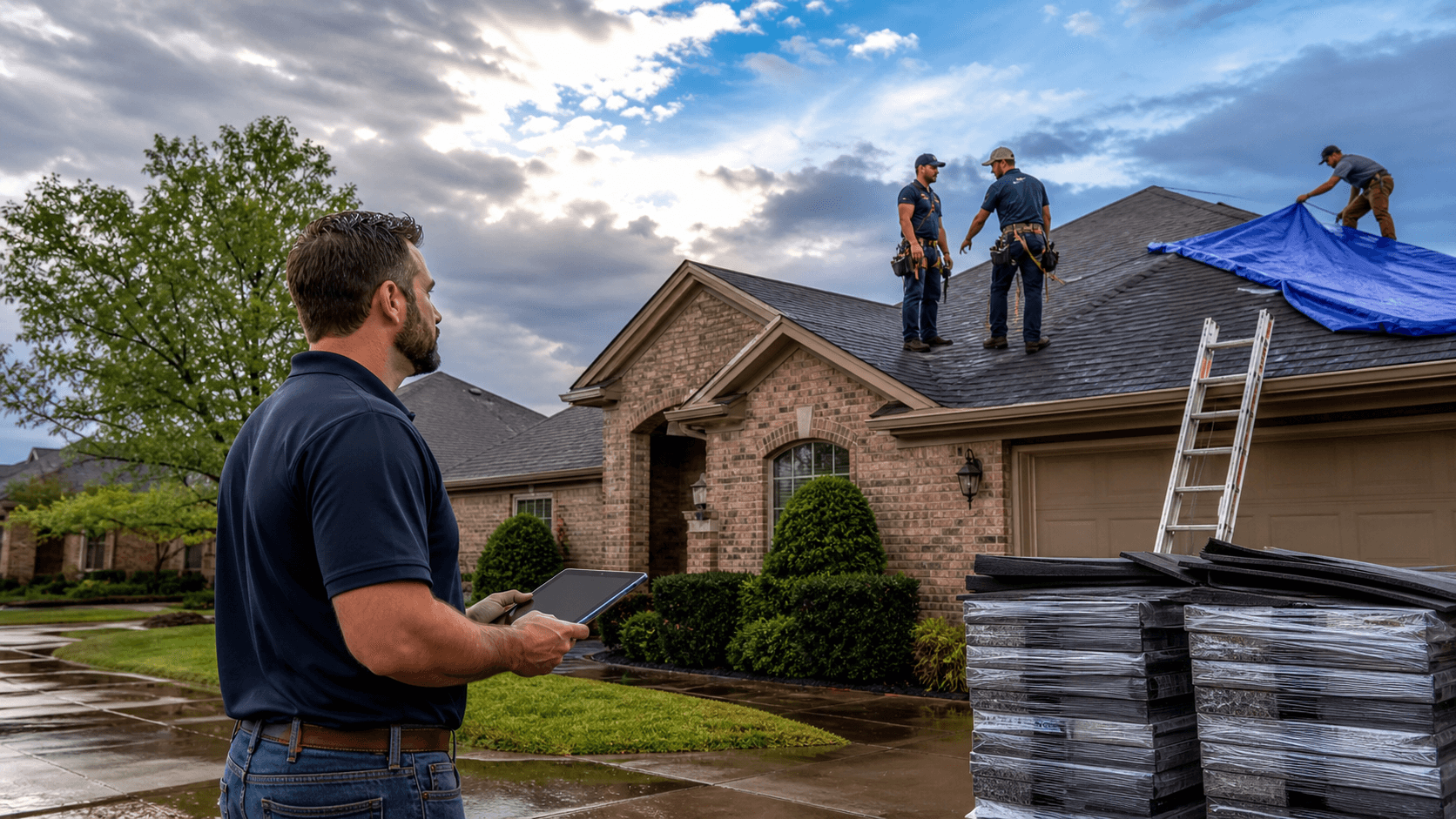
- Tear off and replace in sections, finishing each area as they go
- Prioritize slopes over key living or work areas first
- Avoid leaving any large area exposed overnight
Protective steps should include:
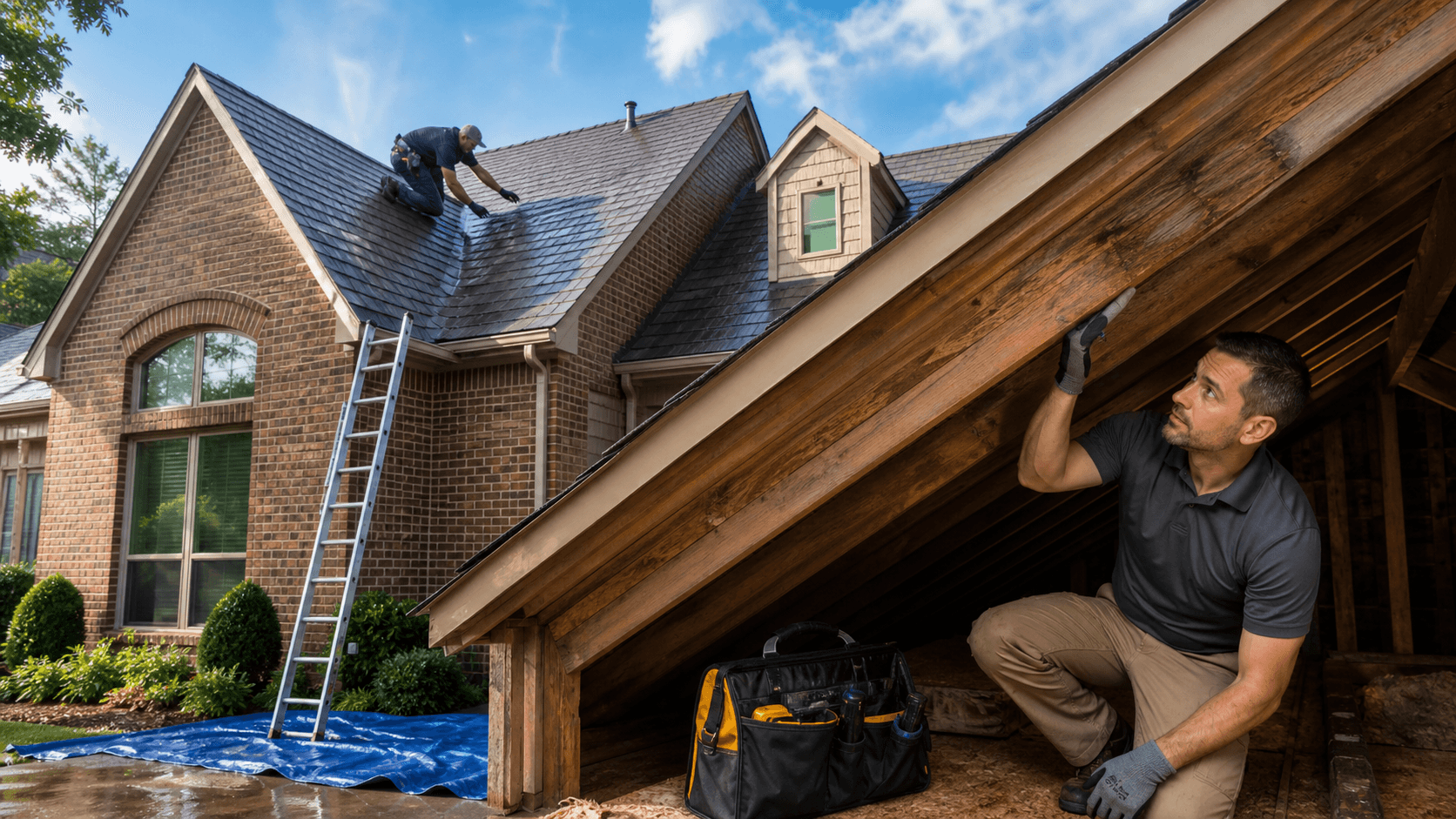
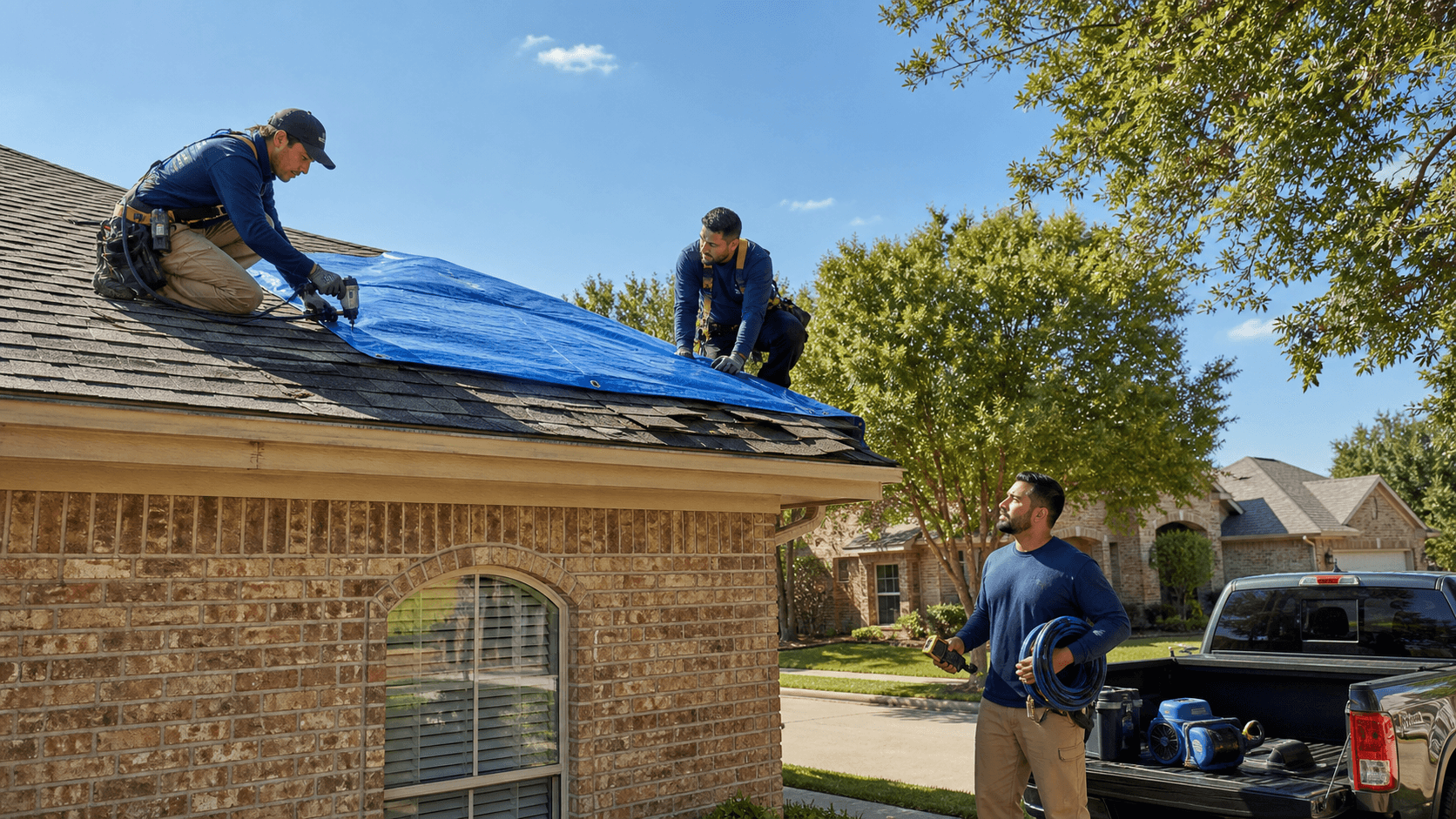
- Heavy-duty tarps secured tightly at the edges
- A quality underlayment installed quickly for a solid temporary dry-in
- Extra sealing around penetrations like vents, chimneys, and skylights
If a storm pops up in the middle of the job, there should be a clear plan for:
- Getting the crew off the roof safely
- Securing open areas fast
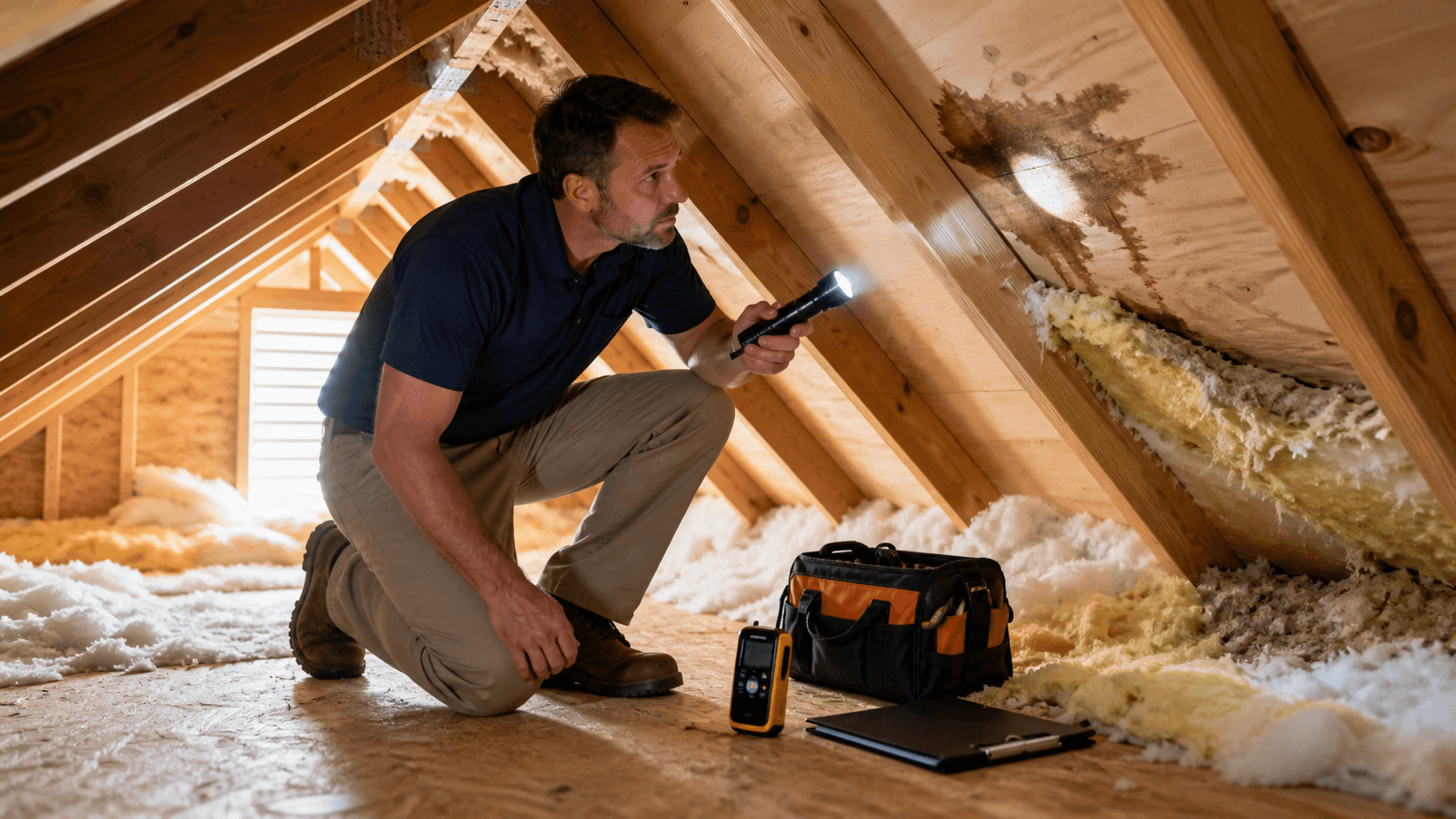
- Checking inside for any leaks once the storm passes
Communication is also a big part of storm-smart work. You should feel informed about:
- What portion of the roof will be opened each day
- How the team is watching the weather
- Why any weather delays are happening
Photo documentation before, during, and after can help you see what was done and provide clear records for your own files.
Selecting Materials That Stand up to Texas Storms
Timing is only half of the story. The materials you choose for roof replacement in Garland, TX make a big difference in how your roof holds up once those summer and fall storms roll through.
For many homes and buildings in North Texas, strong options include:
- Impact-resistant shingles that are designed to handle hail better
- Upgraded synthetic underlayment that sheds water more effectively
- Sturdy metal or high quality vents that resist wind
- For flat or low-slope roofs, durable systems like TPO, modified bitumen, or protective coatings
Warm temperatures during late summer can help many of these products seal properly, which gives you better wind resistance once storm season ramps up. Some impact-resistant products may also open the door to possible insurance or premium benefits, depending on your policy.
When choosing materials, most Garland homeowners and property managers also think about:
- Matching the look of nearby homes or buildings
- Meeting HOA guidelines, if they apply
- Seeking materials that handle strong sun without fading quickly
- Improving energy efficiency by reflecting more heat away from the building
A well thought out material package gives you not only a nicer look but also a longer lasting system in a storm-prone area.
Coordinating Roof Work with Other Exterior Upgrades
Late summer roof projects often pair well with other exterior work. When storms are in the forecast, the goal is to get the outside of your property as water-ready as possible, as fast as possible.
Common pairings that work well together include:
- Roof replacement plus new gutters and downspouts for better water control
- Roofing plus exterior painting or siding repairs, timed so surfaces are dry
- Roofing plus attic insulation or ventilation upgrades to help with comfort and energy use
Doing these projects together can cut down on disruption, since you can:
- Share dumpsters for old materials
- Coordinate city or insurance inspections
- Use the same access paths and staging areas
For many Garland properties, tackling these upgrades in one managed plan means the building is ready for the next storm cycle with a complete, unified exterior, instead of patchwork fixes done at different times.
Get Started With Your Project Today
If your roof is showing signs of age or damage, now is the right time to schedule a professional assessment with Apex Point Services. We will walk you through your options, provide a clear estimate, and help you decide on the best solution for your home and budget. Learn more about our trusted roof replacement in Garland, TX and take the first step toward a safer, more resilient roof today.