Protect Your Home From the Next Dallas Hailstorm
Hail is just part of life in the Dallas, Fort Worth area. Storms roll through, the sky gets dark, and those hard chunks of ice start hitting roofs, cars, and patios. Many homes end up with hidden roof damage that does not show up right away but causes problems later.
That is why the roof you choose matters just as much as fixing damage after a storm. Picking hail-resistant materials before peak storm seasons helps your home stand up better when the next round of severe weather hits. In this article, we will walk through how hail actually harms your roof, what impact ratings really mean, how to compare materials and costs, and what to look for in warranties so you can feel more confident talking with a local contractor about roof repair in Dallas, TX.
How Hail Really Damages Your Roof
Hail can be sneaky. Sometimes you see dents on your gutters and think that is the worst of it, but the real damage is often higher up where you cannot see.
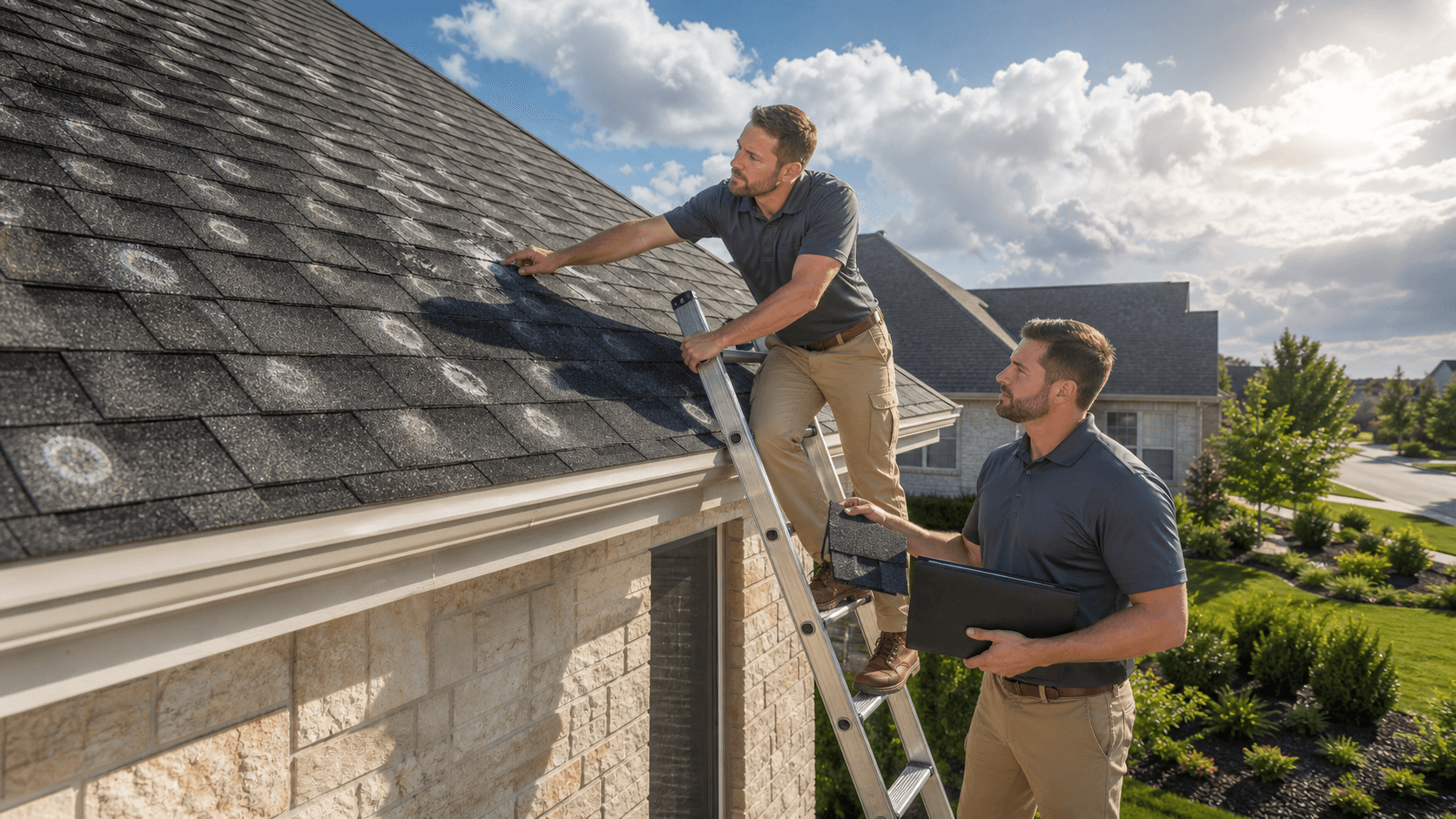
Common hail damage includes things like:
- Bruised or crushed asphalt shingles
- Granule loss that exposes the black asphalt underneath
- Cracked or broken tiles on tile roofs
- Dented metal panels or seams
- Damaged flashing and bent or loose gutters
From the ground, the roof can still look fine. But a shingle with a soft bruise or missing granules may not shed water the way it should. Over time, that weak spot can turn into a leak, decking damage, or mold inside your attic.
Some issues only show up under close inspection, like:
- Hairline cracks in tiles
- Loose fasteners that opened up during the storm
- Small punctures around vents, skylights, or chimneys
This is why a professional inspection after a hailstorm is so important. A trained roofing contractor knows how to spot damage that might shorten the life of your roof or hurt your chances with a future insurance claim. Catching problems early can sometimes mean a focused roof repair in Dallas, TX instead of a full roof replacement later on.
Understanding Impact Ratings and Hail Standards
When people talk about hail-resistant roofing, they are usually talking about UL 2218 impact ratings. UL 2218 is a test where different classes of metal balls are dropped on roofing materials to see how well they hold up.
Here is what the classes mean in simple terms:
- Class 1: Lowest impact resistance
- Class 2: Better, but not ideal for heavy hail
- Class 3: Good resistance for moderate hail
- Class 4: Highest rating, best option for hail-prone areas
For homes around Dallas, Class 4 is usually the goal. It is not "hail-proof," but it is designed to resist damage better than lower-rated products.
Different roofing types perform differently in these tests:
- Asphalt shingles: Many brands now offer Class 4 shingles with thicker, tougher construction
- Metal roofing: Often very impact resistant, but some products focus more on cosmetic strength than structural strength
- Concrete or clay tile: Strong in some ways, but can crack or break under sharp impacts
- Synthetic or composite products: Some are designed to flex and absorb impact, which can help in hail
When you shop for materials, do not rely on marketing phrases like "hail resistant" or "hail guard." Look for the actual UL 2218 Class rating on product labels or technical sheets. Ask your contractor to confirm the impact rating and show you documentation if you want extra peace of mind.
Comparing Hail-Resistant Roofing Options and Costs
Every home and budget is different, so there is no single "best" roof. It helps to understand the common choices we see on Dallas homes.
Here are some popular hail-resistant options:
- Class 4 asphalt shingles, often chosen for a more traditional look
- Standing seam metal roofing, with long vertical panels and clean lines
- Impact-resistant concrete or clay tiles, suited to certain architectural styles
- Synthetic slate or shake, which give a high-end look with lighter weight
In general terms, asphalt shingles tend to be on the lower end of the cost range, metal and synthetic products sit in the middle to higher range, and some high-end tile systems can be at the higher end. Lifespans can also vary, from shorter for basic shingles to longer for many metal or synthetic systems, as long as they are installed and maintained correctly.
Maintenance needs can differ:
- Asphalt: Periodic inspections, spot repairs, and granule loss checks
- Metal: Watching for loose fasteners, sealant wear, and cosmetic dents
- Tile: Checking for cracked tiles and keeping debris out of valleys
- Synthetic: Routine inspections and keeping surfaces clean
Hail-resistant roofs can also affect insurance and resale value. Some insurance companies may offer premium discounts for Class 4 roofs. Future buyers often see a hail-resistant roof as a plus, since it means one less big worry after a strong storm. If you have had to schedule roof repair in Dallas, TX more than once after storms, upgrading materials can sometimes make more sense than fixing the same weak spots over and over.
Warranties, Insurance, and Fine-Print Pitfalls
Hail protection is not just about the product; it is also about the paperwork. There are three main pieces to think about: the material warranty, the workmanship warranty, and your insurance coverage.
Here is how they differ:
- Manufacturer material warranties cover defects in the roofing product itself
- Contractor workmanship warranties cover how the roof was installed
- Homeowners insurance covers sudden events like hail or wind, based on your policy
There are some common surprises hidden in the fine print:
- Cosmetic-only exclusions on metal roofs, where dents that do not affect performance might not be covered
- Prorated coverage, where the amount paid goes down as the roof gets older
- Requirements for proper installation, ventilation, and maintenance, or you may lose coverage
Before you sign a contract, it helps to ask:
- What exactly does the manufacturer warranty cover and for how long?
- What does the workmanship warranty cover and who backs it?
- Is the warranty transferable if you sell the home?
- How are hail claims handled and who documents damage after a storm?
A good contractor will walk you through these answers in simple terms and explain how everything works with your current insurance policy.
Timing Your Roof Upgrade Before Storm Season
September is a smart time for Dallas homeowners to start thinking about their roof. Stormy seasons are on a repeating cycle, and you do not want to be on a long waiting list when everyone suddenly needs help at once.
Project timelines can vary by roof type. A typical shingle replacement is usually quicker than installing a complex tile or standing seam metal system. Permits, material availability, and inspection schedules also add time. Getting on the calendar early with a trusted local contractor helps you avoid the backlog that often happens after big hail events.
If your budget is tight, you can still move forward in stages:
- Start with a thorough professional inspection
- Handle any urgent roof repair needs first to stop active leaks
- Plan a phased upgrade to hail-resistant materials with clear expectations and timing
This way, you are not waiting for the next storm to decide what to do. You are already in control and working from a plan that fits your home and budget.
Take the Next Step Toward a Hail-Ready Roof
At Apex Point Services, we live and work in the Dallas, Fort Worth area, so we see what local hail can do to both residential and commercial roofs. We know the common weak spots, the typical insurance questions, and how different materials hold up on real homes, not just in lab tests.
The best next step is usually a detailed inspection and an honest conversation. When you understand impact ratings, warranties, and the long-term tradeoffs between repair and replacement, it becomes much easier to choose a roof that will stand up to the next Dallas hailstorm and the ones that follow.
Get Started With Your Project Today
If your roof is showing signs of wear, leaks, or storm damage, we are ready to help you protect your home with reliable solutions tailored to Dallas weather. At Apex Point Services, our team will inspect your roof, explain your options clearly, and recommend the most cost-effective path forward. Schedule your service today and let our experts handle your roof repair in Dallas, TX from start to finish.