
Breathe Easier at Home with Smarter Flooring
Seasonal allergies in Dallas can feel like they never really stop. Ragweed kicks up, dust rides in from busy roads and job sites, and old carpet holds on to every bit of it. Many homeowners notice that sneezing, itchy eyes, and stuffy noses seem worse inside than outside, especially when flooring has seen better days.
Flooring plays a big role in how clean your indoor air feels. In the Dallas, Fort Worth area, where pollen and dust are part of daily life, the wrong surface can act like a sponge for allergens. The right flooring installation in Dallas, TX can make your home easier to clean, cut down on triggers, and still look great.
In this article, we will walk through why allergies are so tough here, which flooring types help the most, which ones can make things worse, and how thoughtful planning with a local contractor can support both style and health.
Why Allergies Are Tough in Dallas Homes
North Texas is hard on allergy-prone families. Ragweed season ramps up in early fall, and pollen can linger for a long time. Traffic, ongoing construction, and dry spells push extra dust into the air, which then finds its way into your home.
Once inside, your floors can trap and hold on to that dust. Common problems in many homes include:
- Old, matted carpet that never feels fully clean
- Gaps between floorboards or tile that collect dirt and pet hair
- Poorly sealed areas near baseboards and transitions
- Moisture-prone spots around kitchens, bathrooms, and entryways
All of these spots become hiding places for:
- Dust mites
- Pet dander
- Pollen
- Mold spores when humidity jumps
Soft fibers and deep cracks can trap allergens where regular sweeping and vacuuming cannot quite reach. If the floor material itself is sensitive to moisture, small spills or damp air can lead to hidden mold or musty smells. On the other hand, smooth, non-porous surfaces that are well sealed are easier to clean and less likely to hold on to irritants.
Upgrading flooring is not just a style project. It is one piece of a bigger allergy plan that can also include better HVAC filters, more frequent cleaning, and good moisture control indoors.
Best Allergy-Friendly Flooring Options for DFW Homes
Hard surfaces tend to be better for allergies, as long as they are installed correctly and cleaned often. Here are some common options we work with and how they perform in Dallas homes.
- Luxury vinyl plank (LVP)
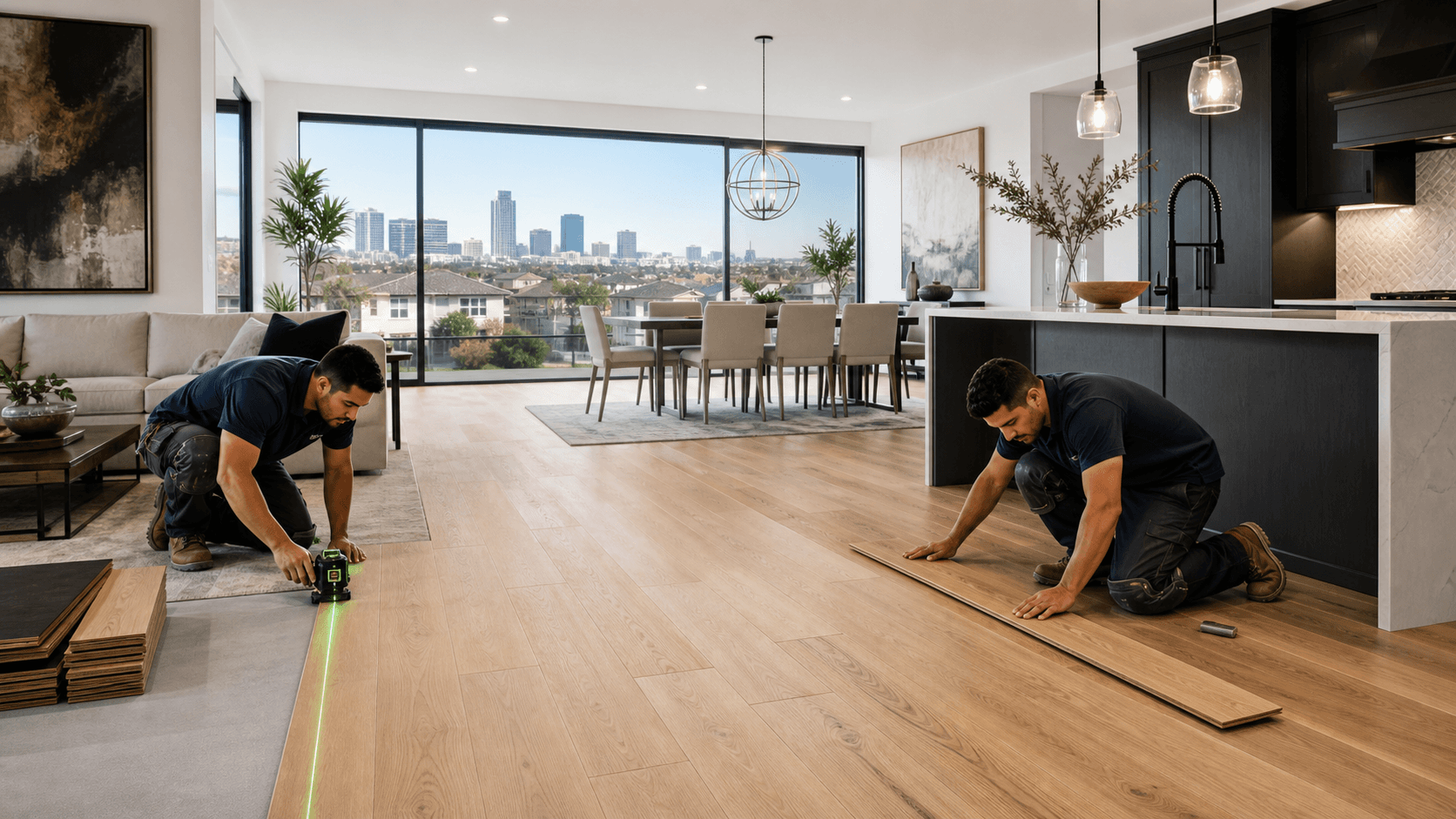
LVP is popular because it gives the look of wood without the same level of upkeep. It is a smooth, hard surface, so dust and pollen stay on top where you can mop or vacuum them away. Quality products handle indoor humidity swings fairly well, which is helpful in North Texas. For families with kids and pets going in and out to the yard, LVP stands up to foot traffic and is easy to wipe clean.
- Engineered hardwood
Engineered hardwood gives you a real wood surface with better stability than traditional solid wood. When installed with tight seams and proper underlayment, it can be a clean, low-allergen option. It feels warm underfoot and suits both older Dallas homes and newer builds. Regular dusting and occasional damp mopping usually keep it in good shape.
- Tile
Tile is one of the most allergy-friendly materials because it is hard, non-porous, and easy to sanitize. It works well in entries, kitchens, and bathrooms where allergens and moisture often meet. The main concern is grout lines. If grout is left rough or unsealed, it can hold dirt and dust. Professional installation and sealing help reduce that problem.
- Sealed concrete
In some homes, especially ground floors or modern designs, sealed concrete can be a smart choice. Once properly smoothed and sealed, it leaves very few places for dust to hide. It also stays cooler, which some people enjoy in warmer months.
One thing many people forget about is indoor air quality during and after installation. Some flooring materials, finishes, and adhesives release VOCs into the air. This can bother people who already struggle with allergies or asthma. Working with a contractor who understands low-VOC options and proper ventilation during a flooring installation in Dallas, TX is very helpful.
Different households have different needs:
- Homes with kids and pets often lean toward LVP or tile for durability and easy cleaning.
- People who are very sensitive to dust or asthma often do best with smooth, sealed surfaces and low-VOC products.
- Rental property owners may focus on hard surfaces that are tough, neutral, and quick to clean between tenants.
Flooring Mistakes That Can Make Allergies Worse
Some flooring choices and installation shortcuts can undo a lot of hard work you put into cleaning and air quality.
Wall-to-wall carpet is usually the biggest issue. Even newer carpet traps:
- Pollen tracked in from shoes and pets
- Dust mites that thrive in warm fibers
- Pet dander that works down into the padding
Older carpet can be even more of a problem. Even if it looks clean on top, deep layers can hold years of buildup. Standard home vacuums do not always reach that far.
Installation mistakes can also cause trouble, such as:
- Leaving gaps at transitions or along walls where dust collects
- Skipping moisture barriers over concrete slabs, which can lead to mold under the flooring
- Using high-VOC glues or finishes in tight spaces
DIY or low-cost installs might save money upfront but can create long-term allergy headaches. Common issues include uneven subfloors that cause planks or tiles to crack or separate later, grout lines that are too deep or wide to keep clean, and poorly sealed edges that turn into dust channels.
A qualified general contractor who understands both building structure and indoor air concerns can help avoid these problems from the start.
Planning a Fall Flooring Installation in Dallas, TX
Fall is a great season to plan a flooring project in North Texas. Schedules settle down after summer, and many people like getting their homes in shape before the busy holiday stretch. It is also a convenient time to open windows for fresh air while new materials settle in.
A simple planning checklist might include:
- Look over each room and note worn spots, odors, or stains
- Decide your top allergy goals, like fewer fibers, low VOCs, or easier cleaning
- Think about how each room is used, including pets and foot traffic
- Set a basic budget and timeline
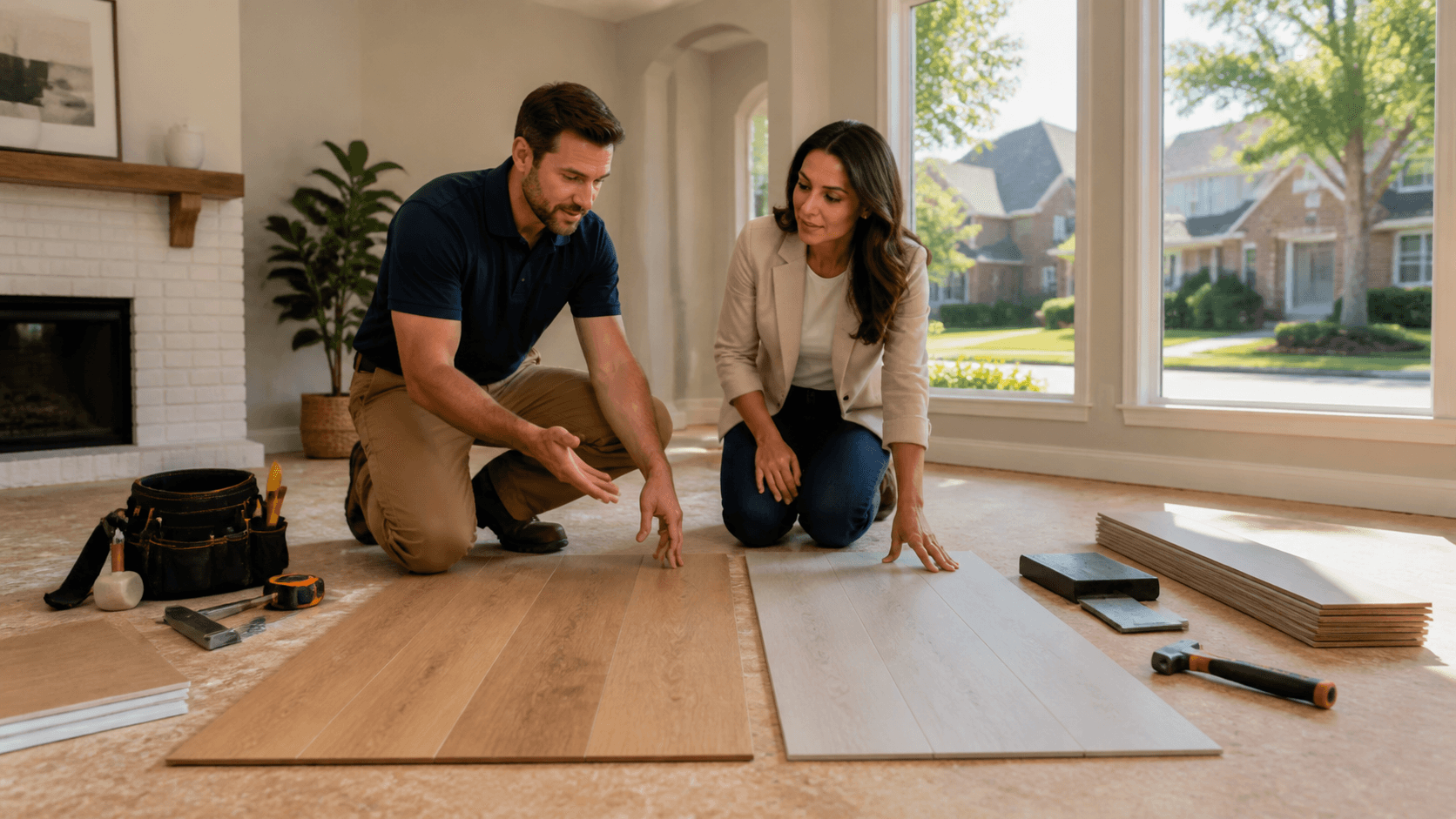
- Arrange for a professional inspection of your existing floors and subfloors
During the project, there are steps that help keep allergens under control:
- Temporary plastic barriers to keep dust from spreading
- HEPA vacuuming during and after removal of old flooring
- Careful haul-off of debris so old dust does not linger in the garage or yard
- A final, detailed clean once new floors are installed
Working with a local contractor who understands Dallas building styles, foundation types, and common moisture issues helps you choose flooring and methods that stay stable and allergy-friendly over time.
How Apex Point Services Protects Your Air While We Build
At Apex Point Services, we approach flooring with both comfort and air quality in mind. When we remove old carpet or damaged flooring, we focus on controlling dust, protecting other areas of the home, and getting down to a clean, solid base. That gives your new floors a better start and keeps old allergens from hanging around.
We can also recommend flooring products and installation methods that support allergy-prone households, such as hard surfaces, smooth transitions, and options that limit strong odors during install. Because we are a general contractor serving the Dallas, Fort Worth area, we can coordinate flooring with other work like remodeling or additions so everything fits together. New floors often pair nicely with fresh paint, adjusted layouts, or updated lighting to create a cleaner, calmer space overall.
Thoughtful flooring installation in Dallas, TX is not only about how your home looks, but also how it feels to breathe inside it. With the right plan, materials, and team, your next flooring project can be a meaningful step toward a home that works better for your allergies and your everyday life.
Get Started With Your Project Today
If you are ready to upgrade your floors with precision and care, our team at Apex Point Services is here to help you plan the next steps. We will walk you through material choices, scheduling, and budget so your project feels straightforward from start to finish. Explore how our flooring installation in Dallas, TX can fit your home or business, and reach out to get your personalized estimate. Let us help you create a space that looks great and holds up to everyday life.