Stay Cool and Save More with Smart Home Additions
Home additions in Dallas, TX can make a house feel completely new. You get more space, more comfort, and more room for the way your family really lives. But if that new space bakes in the sun and strains your AC, it can quickly turn from exciting to frustrating.
Our summers mean intense sun, long hot afternoons, and high electricity use. When an addition is not planned for our climate, it often ends up hotter than the rest of the house. That drives up energy bills and leaves you with rooms that never feel quite right.
Energy-efficient home additions flip that story. With smart design, the right materials, and thoughtful planning, you can add space that stays cooler, feels comfortable, and works with your AC instead of against it. As a local general and roofing contractor, in the Dallas, Fort Worth area, we focus on building additions that stand up to our heat and keep your home feeling calm and comfortable all summer.
How Dallas Heat Impacts Your Home Comfort and Bills
The Texas sun is strong, and your home feels it every single day. West-facing walls and large unshaded windows soak up the afternoon sun and send that heat straight into your living space. Older insulation and windows make the problem worse, since they let heat slip inside much more easily.
When homeowners add on to their homes without planning for energy use, a few common problems tend to pop up:
- Rooms placed on west or southwest sides with no shading
- Too much unshaded glass that turns into a big heat magnet
- Undersized or oversized HVAC equipment that never runs quite right
- Poor roof and attic ventilation that traps heat above the new space
These issues often lead to hot spots, stuffy rooms, and uneven temperatures from one space to the next. The AC runs longer and harder, and the new room still feels warmer than the rest of the house. Over time, that constant strain can shorten equipment life and keep your utility bills higher than they need to be.
That is why energy efficiency should be built into the plan from day one. It is not just a bonus feature. It directly affects how your home feels and how much you spend to stay cool.
Smart Design Strategies for Cooler, Cheaper Additions
A comfortable, efficient addition starts on paper, long before any framing goes up. Thoughtful layout choices can help your AC and make the room feel more pleasant in the middle of summer.
Good design often includes:
- Placing new rooms to avoid direct afternoon sun when possible
- Adding roof overhangs to shade windows and walls
- Using covered patios or porches to protect high-heat sides of the home
The "envelope" of the addition, which means the walls, roof, windows, and doors, plays a big role too. With the right upgrades, you can block a lot of unwanted heat while still letting in natural light. That might include:
- Advanced insulation in walls and ceilings
- Careful air sealing around joints, seams, and openings
- Radiant barriers in the roof or attic area
- High-performance windows and doors that limit heat gain
Finally, your comfort system needs to match the new space. An AC that is too small will struggle all day. One that is too large may cycle on and off and never properly control humidity. A smart setup often uses:
- Correctly sized HVAC based on the whole home, not just a guess
- Zoning to give the new space its own temperature control
- Smart thermostats for better scheduling and remote control
- Ceiling fans and balanced ductwork for even cooling
When all of these pieces work together, the new space feels like it has always belonged in your home.
Energy-Efficient Materials That Make a Noticeable Difference
The materials you choose can change how your addition feels during a long Dallas summer afternoon. The roof is one of the biggest factors, especially for second-story additions or rooms near the attic.
Cool roofing products and smart attic details can help by:
- Reflecting more of the sun's heat with specific shingle choices
- Keeping attic temperatures lower with proper insulation
- Adding ventilation so heat can escape instead of building up
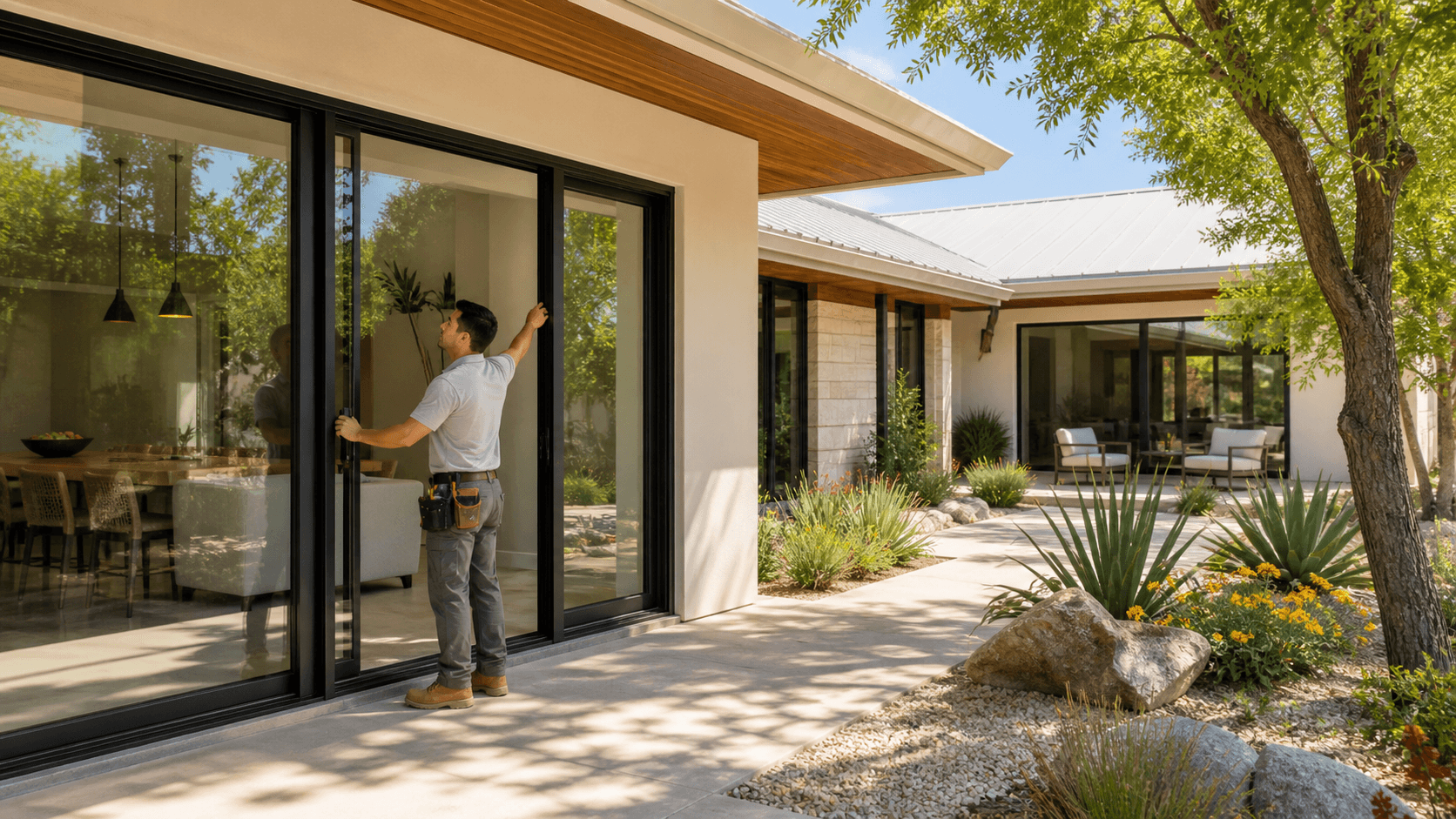
Windows and doors are another key part. Old-style single-pane glass can let a lot of heat pour in. Modern options help keep the sun out without making the room dark, like:
- Low-E glass that reflects heat while letting in light
- Double or triple panes with gas fills for better insulation
- Insulated window and door frames
- Quality weatherstripping to stop drafts and hot air leaks
Inside the room, small decisions also add up. You can lower the heat load from inside the home, not just from the sun. Choices that help include:
- Light-colored walls, ceilings, and flooring that reflect light
- LED lighting that gives off less heat and uses less power
- ENERGY STAR-rated appliances and ceiling fans that work efficiently
These details keep the room cooler, reduce the strain on your AC, and help your whole home feel more stable on the hottest days.
Best Types of Home Additions in Dallas, TX for Summer Living
Certain types of home additions in Dallas, TX benefit even more from energy-smart planning. Sunrooms and flex spaces are a good example. With all that glass, they can either be your favorite room or a hot, unused corner of the house.
To keep a sunroom or flex space useful all summer, we often consider:
- Low-E or tinted glass for large window walls
- Strategic shading with overhangs, trees, or nearby structures
- Ceiling fans to keep air moving
- Insulated floors, walls, and ceilings so the space does not trap heat
Primary suite and family room expansions are also popular. These are spaces where comfort matters every single day. Smart design here can keep them steady and cool without overworking your system. That involves:
- Careful window placement to avoid direct afternoon sun
- Extra attention to insulation around sleeping and lounging areas
- Zoned cooling so you can set these spaces exactly where you want them
Garage conversions and bonus rooms are another great way to gain space, but they can be tricky in our heat. Garages and attics are often some of the hottest parts of a home. Turning them into true living areas usually means:
- Adding real insulation to walls, ceilings, and sometimes floors
- Proper air sealing so outdoor air does not sneak in
- Extending or adjusting conditioned air to the new room
- Checking that roofing and attic ventilation support the new use
When these conversions are done thoughtfully, they no longer feel like "former garages" or "former attics." They feel like part of the main house, comfortable all year and ready for daily use.
Partner with a Dallas Expert for Smarter Summer Additions
Energy-efficient home additions are about more than just picking nice finishes. They need to match local building codes, fit your existing structure, and respect how homes handle heat in the Dallas, Fort Worth area. Working with a contractor who understands our climate, roofing needs, and remodeling details can make a big difference in how your new space feels over time.
At Apex Point Services, we bring together general contracting and roofing experience to plan additions that work with your current home. We look at layout, structure, roofing choices, insulation, and how your HVAC system should support the new rooms. When all those parts are planned as one, your addition is more likely to stay comfortable, quiet, and efficient through long summers and busy seasons.
Get Started With Your Project Today
If you are ready to expand your living space with quality craftsmanship, our team at Apex Point Services is here to help. We listen carefully to your goals, then plan and build with attention to detail, clear communication, and respect for your home. Explore how our home additions in Dallas, TX can transform your property and give you the space you need. Reach out today so we can discuss your ideas, timeline, and budget and move your project forward with confidence.